The Three Sides of a Woman

itcphmain • September 22, 2017

Besides living a contented life, what can possibly satisfy more a woman of deeds?

In today’s busy world, one needs to get updated with the latest technology and innovations. Especially if teaching has been a chosen career, room for improvement won’t stop bubbling.

True enough, an instructor from the Ilocos Sur Polytechnic State College (ISPSC) was able to enhance the culinary subject under the Hotel and Restaurant Management (HRM) in 2011. Mrs. Joanna Marie Guarin, has been with the Institute of Hospitality Management since 2009. Besides being a good cook from the start, Ma’am Joan has always dreamt of imparting her skills to the needy.

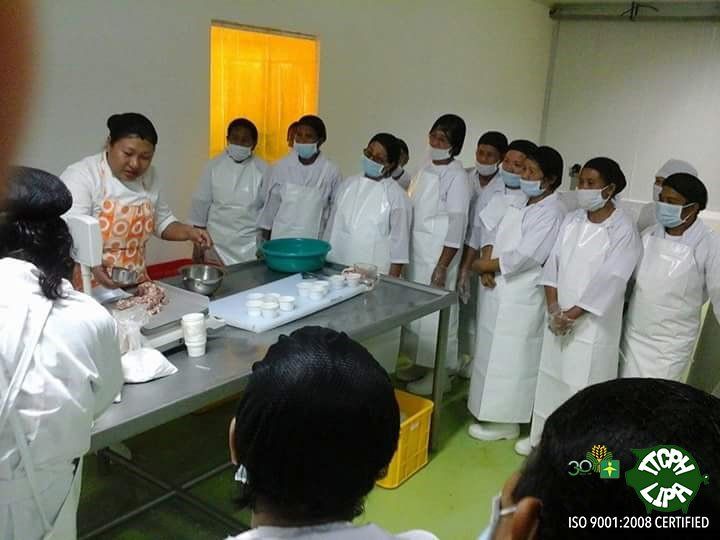
Being able to transfer technology is a skill. From merely teaching basic preparations of food under the culinary subject, its curriculum was improved. Educated with the Basic Meat Processing Course of ITCPH in 2011, students from ISPSC started to produce varieties of processed meat products.

Apart from being a teacher, being a mother is one of the privileges she enjoys most. Knowledgeable of the ingredients used in processing meat, Mommy Joan is secured her child eats healthy foods. “Malaki din talaga yung naitulong sa akin ng ITCPH kase dun ko natutunan yung uses ng ibat-ibang ingredients na ginagamet sa pagpapa-process” , she stresses.

Familiar now with the uses of ingredients used in preserving food, she knows that she offers a healthier food compared to those in the commercial market. Consequently, she also characterized its taste and color. Believing that customers know best, certain modifications were done thru experiments. “Dito kase sa Ilocos, gusto nila balance yung lasa ng alat at tamis at saka ayaw din nila ng madaming food coloring” , the innovative teacher narrates.

Meanwhile, her skills on meat processing has achieved another purpose. Right after her training in ITCPH, Ma’am Joan was assigned to take charge of the Post-Harvest Facility of ISPSC. Also, her major undertakings on community-based meat processing technology trainings became part of the College’s extension activities.

Since 2009, an average of a thousand beneficiaries were served by Ma’am Joan. These are composed of 4Ps and Rural Improvement Club (RIC) members. They were taught of making tocino, skinless longganisa, native longganisa, sliced ham, pork tapa, embotido, pork nuggets, bagnet and etag.

This year, she will be harvesting the fruits of her labor. Her initiative on Meat Processing chosen the ISPSC’s Best Practice for extension services. More than this achievement, it is self-fulfillment that overflows in her heart.

“Masarap sa feeling na marami kang natutulungan, na sa community sabay-sabay silang aangat” , Ma’am Joan proudly shares. Apart from imparting her abilities, a feeling of belongingness in the communities she serves was felt.

Ma’am Fely, RIC Federation President of Burgos Ilocos Sur, was one of the adopters of the technology on meat processing. Together with other 27 women, a business on meat processing was established in their barangay. The Sangguniang Barangay provided them a meat grinder for further development of their processed products while Ma’am Joan continuously provides technical assistance.

Stressed by the RIC leader, Ma’am Joan is a witty approachable teacher. She assisted them in organizing needed materials in starting the communal business of women in their barangay.

Truly, when talent and kindness come together, many would further be blessed. In her little ways, Ma’am Joan is able to make a bigger change. Today, she enjoys a self-fulfilling life as a teacher, a mother and an extension worker.

#ITCPHway #LearningByDoing
By ITCPH • September 25, 2026
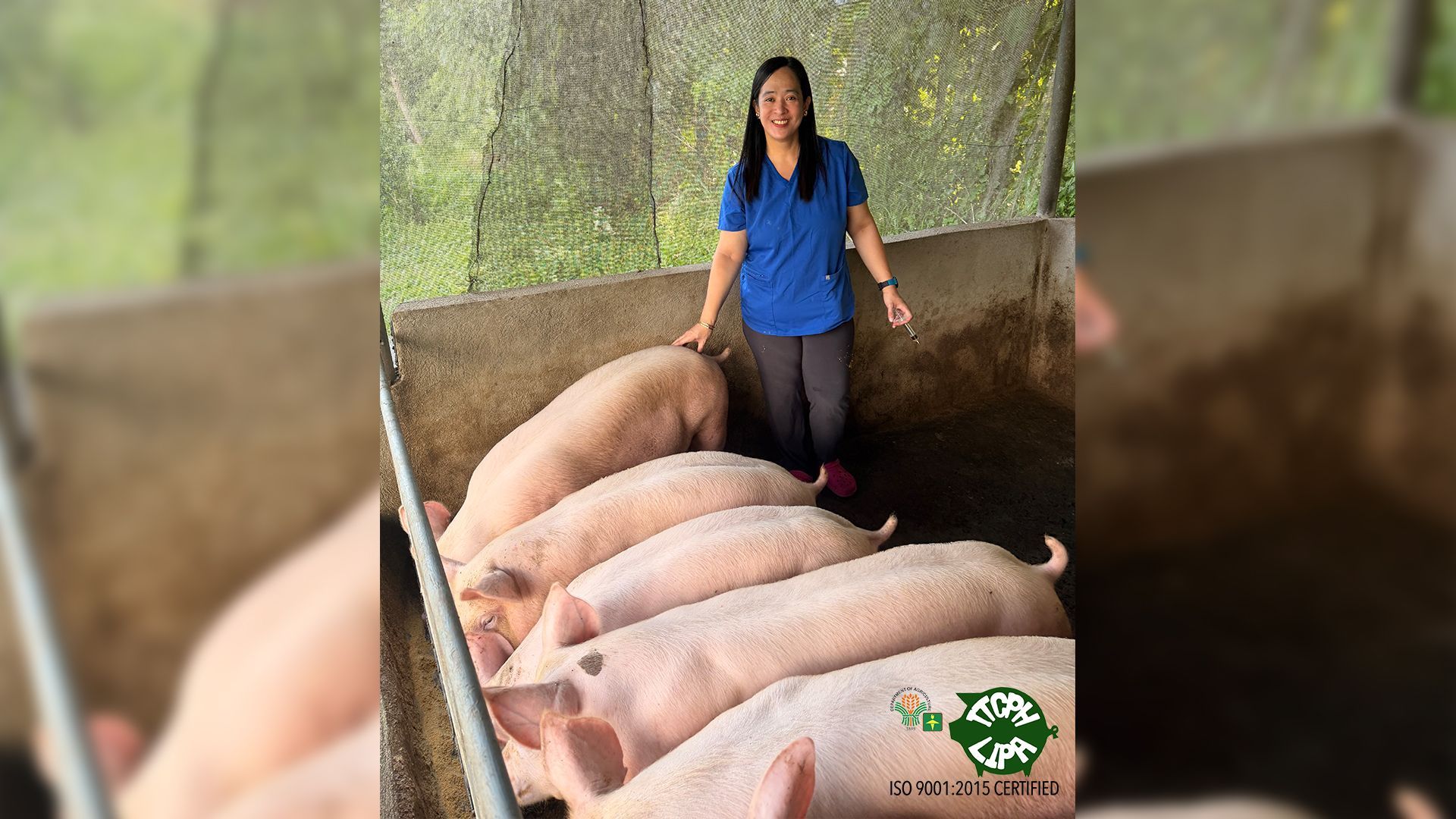
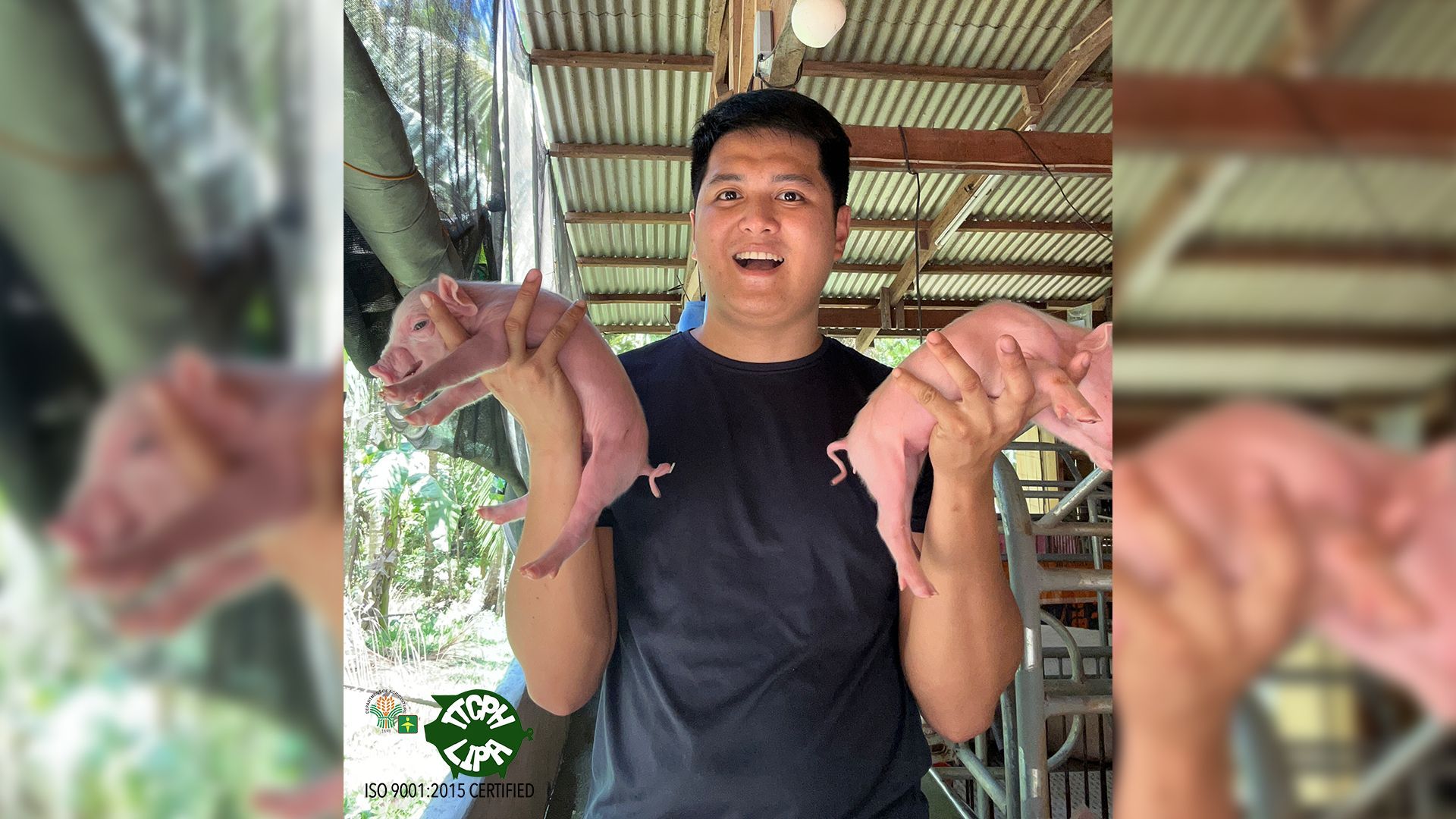
At just 26 years old, Lloyd Cedric A. Nedia, or Cedie, is redefining what it means to be a modern agricultural entrepreneur. Inspired by his father’s past swine-raising ventures and fueled by rising pork prices in 2022, Cedie and his father launched Cedie’s Farm in Barangay Tumayan, Gumaca, Quezon. While he is a BS Marine Transportation graduate, he manages a thriving 20-sow-level farrow-to-finish and breeder production enterprise. “Noong time na iyon, marami akong nalalagas na mga baboy, kasi wala pa akong idea sa pag-aalaga. Ang alam ko lang ay magpakain at maglinis,” he candidly shared about his early struggles with mortality rates. Determined to turn his passion into a science, Cedie discovered the International Training Center on Pig Husbandry (ITCPH) through online research and social media. Eager to validate his methods, he attended the Course on Pig Husbandry from November 10 to 21, 2025. “Nahalungkat ko po ang mga booklet ng ITCPH sa website at binasa ko ang mga ito. Doon pa lang, napakaraming idea na ang aking nakuha. Nag-try ako mag-register, at nakapasok ako,” he recalled. Immersing himself in the training gave him invaluable exposure to large-scale operations, where everything from pen design to biosecurity clicked into place: “Yung maranasan mo pa lang na pumasok sa malaking farm, marami kang makukuhang idea, sa kulungan [pens] pa lang, biosecurity, makukuha mo agad ang idea.” Armed with new expertise in breeding, piglet care, proper equipment use, and medicine administration, Cedie systematically revamped his farm by putting his ITCPH Re-Entry Plan into action. He optimized his production lines by carefully selecting breeding stock and restructuring his facility layouts. “Ang aking re-entry plan ay tungkol sa mga gilts at boars na kailangan sa produksyon. Ito po ay na-apply ko sa aking babuyan, kagaya ng tamang pagpili ng mga magiging inahin at barako. Hindi po lahat ng babae ay pwede maging inahin, at hindi lahat ng lalaki ay pwedeng maging barako. Pipili talaga tayo ng tama,” he explained. Alongside this strict selection process, he noted, “Sa building po madami po akong binago. Nakabukod na po ang gestation pen, farrowing pen, nursery pen, and grower area.” Today, Cedric applies his holistic training directly to farm operations while extending his expertise to neighboring growers. “Ako na ang gumagawa ng pagtuturok, paggagamot, pag-aanak, at kung ano pa. May mga pagkakataon naman po na ako na rin ang nagse-service sa ibang farmers,” he noted proudly. This confidence also spilled over into his digital presence on his Facebook page, Cedie’s Farm, which has amassed an impressive 230,000 followers. He waited until he was fully equipped before offering public advice: “Ginawa ko lang po ang pagseserbis after kong mag-training [sa ITCPH] kasi hindi naman ako basta-basta pwede magserbis kung hindi ako confident. Mahirap na magkamali, mas maganda na may knowledge ka talaga.” Powered by digital platforms, he found a meaningful outlet, sharing: “Through social media, marami tayong natutulungan. Halos araw-araw ito ang ginagawa kong pahinga, ito ay ang pakikipag-usap sa mga kapwa magbababoy sa pamamagitan ng social media.” Looking ahead, Cedric plans to pursue more specialized ITCPH courses— such as Swine Artificial Insemination, Animal Waste Management and Utilization, and Ethnoveterinary Medicine—to further sharpen his craft. Reflecting on his transformative journey from a struggling beginner to a confident industry influencer, he encourages fellow growers to embrace continuous learning and perseverance. "Kapag alam mo na ang gagawin mo, medyo magiging kalmado ka na. Malaking tulong po ang training sa ITCPH. Nalaman ko ang mga dapat at hindi dapat gawin" #ITCPHway #LearningByDoing
By ITCPH • September 24, 2026
Securing a better future for her family was one reason Ms. May Nelvis and her husband ventured into pig farming. A legitimate Lipeña, wife, mother of two, and a graduate of BS Psychology and Culinary Arts, Ms. May made the bold decision to leave such careers and embark on a new journey in swine production. In July 2023, they started Alfonso and Arabella's Piggery with 10 finishers. However, with little knowledge and experience in raising pigs, they soon encountered difficulties and began losing animals. Rather than giving up, Ms. May decided to learn. “Eto yung panahon na naghanap ako ng Training Center para mag-aral ng tungkol sa pagbababoy. Sa pagse-search ko online, nakita ko ang ITCPH, and luckily, dito pala yun sa Lipa” , she shared. She had been passing through ITCPH for quite some time, but she did not know that the institution would eventually become an important part of her journey as a pig producer. In 2023, Ms. May attended the Course on Pig Husbandry, her first formal training in swine production. She admitted that she knew almost nothing about pig farming and had previously relied mostly on traditional practices. “Hindi ko alam na hahawak ng biik, magsusukat ng housing at iba pang practical activities. Akala ko puro lecture lang. Para akong na-culture shock at pakiramdam ko ay mali ang napasok. Ang isa sa nagpalakas ng loob ko ay yung mga ka-klase ko na zero knowledge din” she recalled. These overwhelming experiences eventually became the foundation of her confidence. The practical knowledge she gained encouraged her to continue learning and return to ITCPH for more specialized training. "Hindi ako makaka-walong training sa ITCPH kung hindi maganda ang training. Sa oras na ito, masasabi ko talaga na lahat ng kaalaman ko pagdating sa pagba-baboy ay sa ITCPH ko nakuha." she said. One of the most important lessons she applied to her farm was biosecurity. As part of her re-entry plan, Ms. May’s re-entry plan is Farm Biosecurity Implementation, and because of this, she fully implemented biosecurity in her farm. She proudly said that her farm has comprehensive biosecurity measures. These included having animal caretakers stay in the farm, assigning specific personnel for feed transfer, and transferring feeds into designated canisters to minimize contamination risks. Her efforts became especially significant when African Swine Fever (ASF) affected the area. Ms. May proudly shared that her farm was the only one that wasn’t affected by the virus. “Nakaligtas ang farm ko because of the biosecurity", she said. The knowledge and confidence she gained also encouraged her to venture into raising breeding sows after ASF hit the area. “After tumama ng ASF, doon pa ako nag-alaga ng mga inahin. Kasi alam ko na kung paano i-handle at ano ang tamang biosecurity para sa aking farm. Very confident na ako to handle farm,” she confidently shared. Her transformation did not stop at her own farm. Ms. May was eventually invited as a resource person at Dagatan Family Farm School in Lipa City, Batangas, where she shared her knowledge and experiences in swine management and biosecurity with more than 60 students. "Nakikita nila yung mga trainings ko sa ITCPH, kaya naimbitahan nila ako na magbigay ng lecture sa kanilang mga estudyante" , she said. Her commitment to continuous learning is reflected in the eight trainings she completed at ITCPH namely: Course on Pig Husbandry (August 21-September 1,2023), One-Day Artificial Insemination Training (September 21, 2023), Training on Animal Waste Management and Utilization of Preservation for Manila Bay Clean Up (November 20- 24, 2023), Short Course on Sustainable Pig Farming-LABS Pigs (May 6-10,2024), Meat Processing: Utilizing Natural and Local Methods of Preservation (August 11-15, 2025), Course on Artificial Insemination (Septempber 1-5, 2025), Feednovation: 3P's of Alternative Feeds (September 22-26, 2025) and Animal Feed milling Technology Course (November 3-14, 2025). Currently, she manages a farm with farrow-to-finish operations. From a beginner who once questioned whether she had chosen the right path, Ms. May has become a confident farmer and resource person who is now able to share her knowledge with others. “Nakawalong training nako sa ITCPH. Kung hindi maganda dito, hindi ako babalik. At sobrang naa-appreciate ko na sa tuwing babalik ako, ramdam mo yong warm welcome ng lahat” . #ITCPHway #LearningByDoing
By ITCPH • August 27, 2026
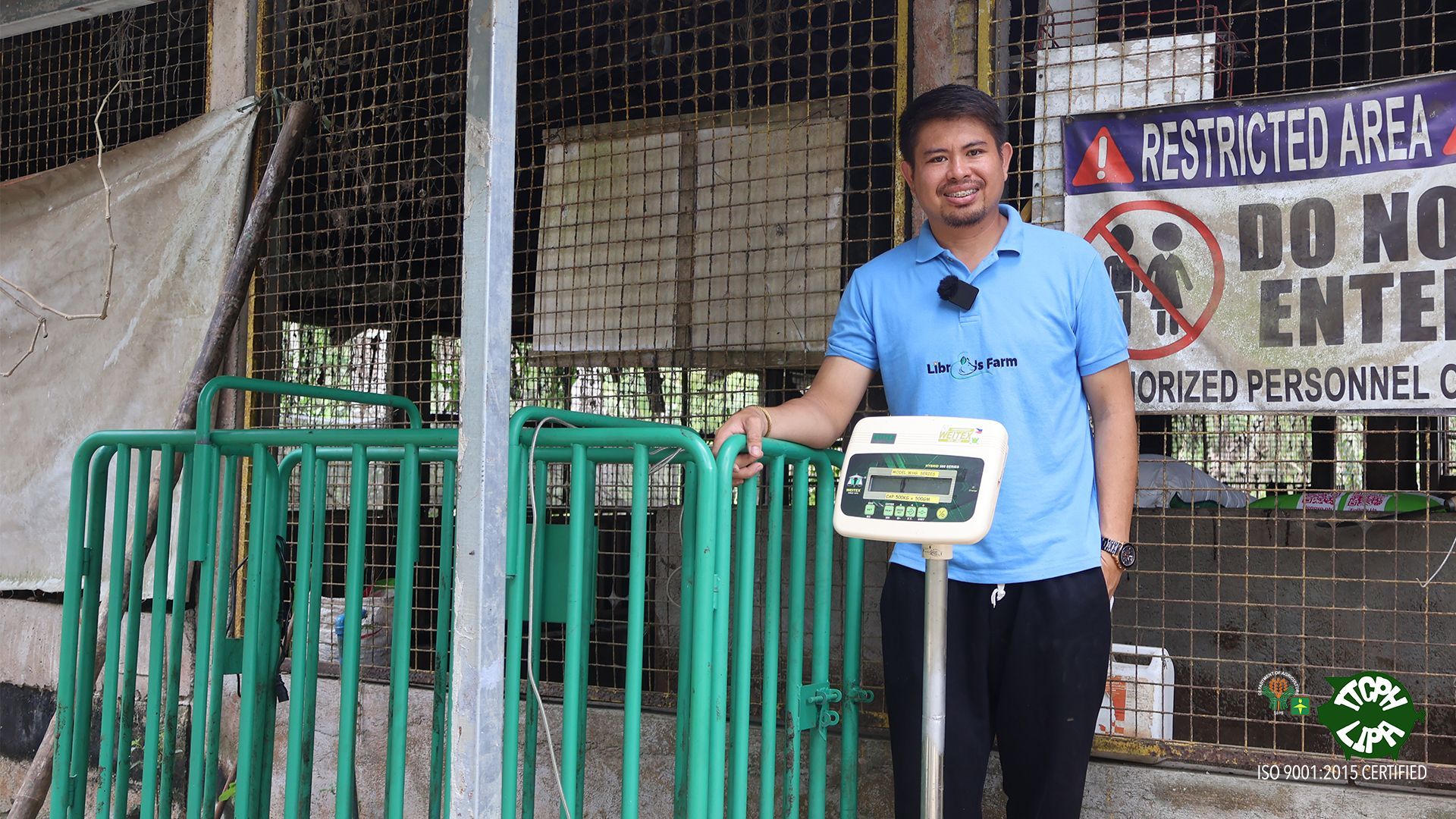
They say "libre lang mangarap" —dreaming costs nothing—but for Anatolio "Jay" P. Aclan, Jr., turning those dreams into reality required continuous dedication, hard work, and the right guidance. Located in Sitio 3, Barangay Lakawan, Tayabas City, Quezon Province, Libre’s Integrated Farm stands as a beacon of sustainable agriculture in the CALABARZON region. Jay began his journey as a modest TESDA student with a passion for agriculture, but he knew that building an impactful farm demanded formal, high-quality knowledge. Recognizing the need to upgrade his technical skills, he sought out capacity-building interventions from the Agricultural Training Institute (ATI) and the International Training Center on Pig Husbandry (ITCPH). Reflecting on his humble beginnings, Jay shares, "Noong na-engage ako sa farming, naghanap ako ng mga pwedeng ma-enhance sa aking kaalaman. Na-tap po ako sa iba’t-ibang training ng ATI at ITCPH para ma-enhance ang aking kaalaman sa paghahalaman at lalo na sa pagbababuyan." Driven to professionalize his livestock operations, Jay actively participated in specialized ITCPH training programs to establish sound agricultural practices. His journey included the Training of Trainers on Climate Smart Farm Business School for Livestock and Poultry (2023), In Cycles: Animal Waste Management and Utilization for Small-hold Farmers (2023), the One-Day Training on Swine Artificial Insemination for Pork Producers (2025), and the National Trainers’ Course on Meat Processing (2025). As Jay emphasized, proper management of livestock requires strict technical precision: "Nagpa-practice po ako ng livestock, particularly ang pagbababuyan. Kailangan ko ng proper training sa pagpapakain, tamang medikasyon, at siyempre ang pangangalaga ng waste ng farm." These courses directly fueled the implementation of his official Re-Entry Plan, enabling Libre’s Farm to become a certified ATI Learning Site for Agriculture (LSA) and a TESDA-accredited center for Organic Agriculture Production and Agro-Entrepreneurship. As Jay proudly notes, "Nagkaroon ako ng mas malaking kaalaman sa pangangalaga ng baboy. Dahil po sa training na ito, naging accredited LSA [Learning Site for Agriculture] po ang Libre’s Farm at accredited din po ito ng TESDA. Ito po ay makikita din sa Re-Entry plan ko." A critical milestone in Libre’s Farm's modern transformation was its selection as a recipient of the ATI-ITCPH BioSMART Pigkabuhayan Project (BioSecured Sustainable Moneymaking and Replicable Technology-driven). Launched to assist small-scale pig farmers against threats like African Swine Fever (ASF), the Php 500,000 project equipped the farm with modern biosecurity facilities and smart farming tools. The upgrade included a dedicated shower room, feed bodega, digital weighing scale, CCTV monitoring system, and a digital recording tablet. Jay highlights the operational jump this technology provided: "Ito po ay related to biosecurity. Mayroon po itong shower room, feed bodega, digital weighing scale, CCTV at tablet. Mas mapapabilis ang proseso kagaya ng pagtitimbang, digital na po sya. Itong CCTV ay nagagamit namin upang ma-monitor ang farm kahit ako ay nasa malayo. Yong tablet naman ay para ma-record ang impormasyon natin sa farm. Napakalaking tulong nito sa pamamahala ng biosecurity natin." Beyond growing his own enterprise, Jay’s overarching vision has always been grounded in community development and youth engagement. Leveraging his training in meat processing, he regularly organizes skills-transfer sessions for neighboring farmers and agricultural groups. In 2025, Jay engaged in conducting a specialized workshop for 30 members of the 4K program in Tayabas, teaching them how to make skinless longganisa to open new livelihood opportunities. The 4K refers to the Pambayang Pederasyon ng 4K (officially registered as Kababaihan Kabalikatan Para sa Kapakanan at Kaunlaran ng Bayan), which is a local community-based sectoral federation—often working alongside agricultural and livelihood initiatives. Pay-it-forward initiatives like this embody Jay’s commitment to youth empowerment in agriculture, as he explains: "Dati, ako ay isang studyante lamang ng TESDA, eventually nagkaroon ako ng idea. Pumasok ako sa farming. Noong nag-aaral ako ng iba’t-ibang training sa ITCPH, ATI at TESDA. Napakalaking tulong po ng ITCPH kasi, unang-una, nakakatulong ka sa mga komunidad natin, lalo’t ang target natin ay ang mga kabataang gustong pumasok sa agriculture." Jay Aclan’s story demonstrates how access to quality agricultural education can transform a small farm into a regional center for learning, innovation, and community resilience. For Jay, training at ITCPH was not just about acquiring personal techniques, but about building a nationwide network of passionate advocates dedicated to uplifting Philippine agriculture. Encouraging fellow farmers and aspiring agri-entrepreneurs to step forward, Jay offers an inspiring message of gratitude and hope: "sobrang malaking opportunity ang magtrain sa ITCPH kasi ang makakasama ninyo po ay [mga farmers and extension workers] nationwide. Shine-share po nila ang kanilang knowledge. Hindi lang po iyon, yung accommodation nila, food, at yung mga tao sa paligid mo, ma-inspire ka talaga na matuto at i-share ito sa community." #ITCPHway #LearningByDoing
By ITCPH • August 14, 2026
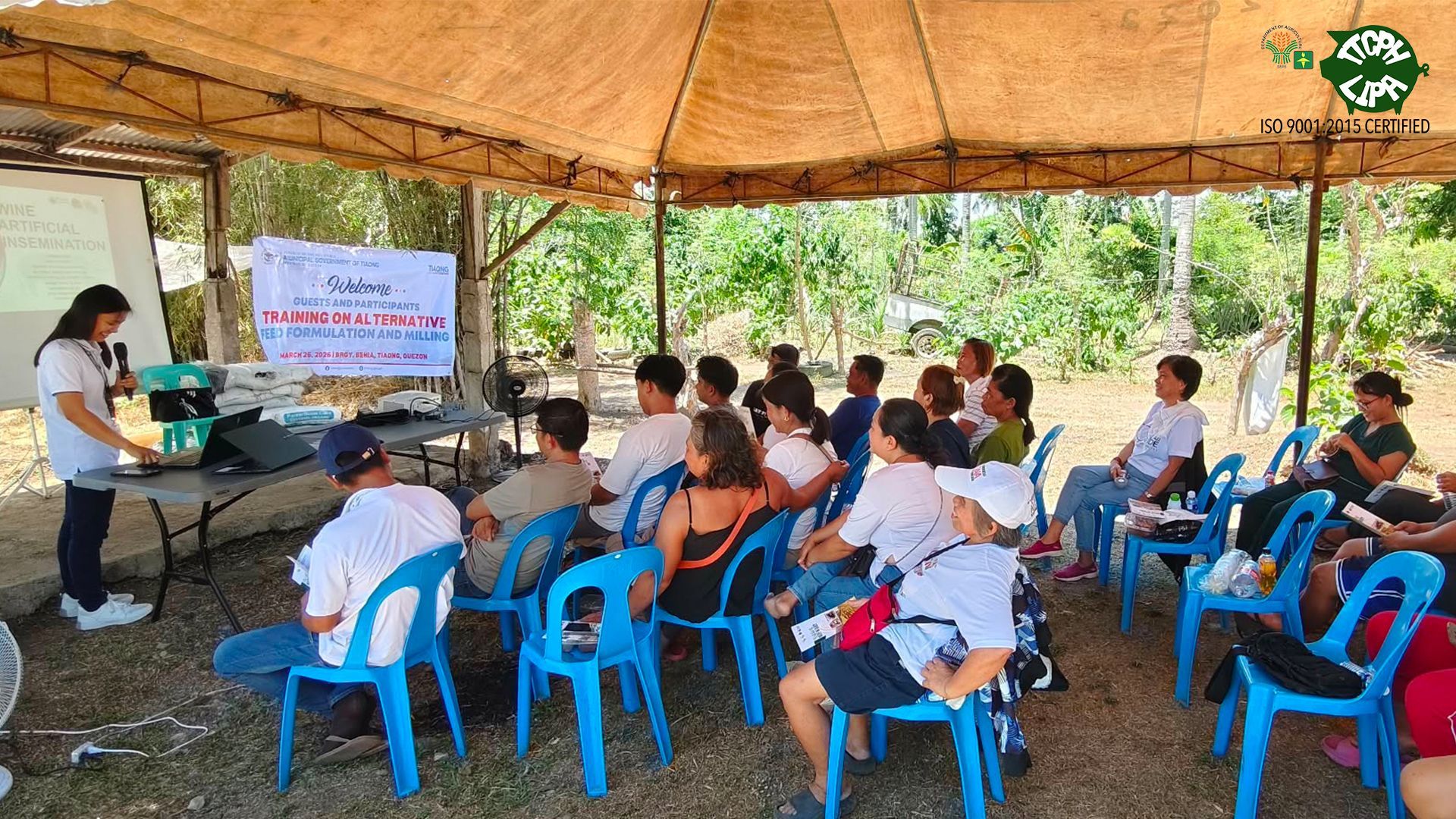
Rising feed prices present one of the most pressing financial hurdles for local livestock producers, yet direct community-level innovation is offering a practical path forward. In Tiaong, Quezon, local agricultural leaders are transforming regional farming practices by decentralizing feed production, replacing costly commercial feeds with nutrient-dense, locally sourced alternatives through hands-on technical training. The Power of Partnership: The Story of Mr. Oliver Gonzales For Mr. Oliver Gonzales, President of the Behia Citrus Growers and High Value Crops Association in Behia, Tiaong, Quezon, overcoming the steep expense of commercial swine feed required taking action directly on the ground. After completing the Training of Trainers on Animal Feed Milling Technology for Small-hold Farmers in 2024, Mr. Gonzales transformed from an organizational administrator into an active change agent and innovator for his community. Observing the financial strain on local producers, he noted, “Mahal po ang cost ng commercial na pakain (sa baboy). Noong natutunan po namin ang iba’t ibang concoction at formulation ng pakain, sa tingin ko ay makakatulong ito sa pag-aalaga ng mga baboy.” Partnering closely with municipal extension workers, he focused his efforts on field implementation. “Ang Re-Entry plan ko po ay katulong ko si Sir Christian Arellano,” Mr. Gonzales explained. “Ang ginawa po namin ay si Sir ang nakatutok sa munisipyo at ako naman sa field. Sa training na ginawa namin, madali naming nagampanan dahil sa aming pakikipagtulungan.” By introducing the International Training Center on Pig Husbandry’s (ITCPH) “Learning By Doing” approach, he guided association members in using processing equipment to grind and mix their feeds locally, with members even cultivating raw ingredients like madre de agua directly on their farms. This strategy completely bypassed commercial feed markups and boosted take-home profits. Reflecting on the experience, Mr. Gonzales shared, "Marami po kayong matututunan. Talagang inaral nila ang itinuturo nila. Maliban sa busog kayo sa kaalaman ay busog kayo sa mga pagkain. Ang mahalagang naitulong po sa akin ay nadagdagan ang aking kaalaman sa mga modern technology, pati na rin ang pakikisalamuha sa iba’t ibang tao na nakasama sa training na nagmula pa sa ibang parte ng Pilipinas." Bridge to Technical Expertise: The Role of Agricultural Extension Complementing this field leadership is Christian Manalo Arellano, an Agricultural Technologist at the Municipal Agriculture Office of Tiaong, Quezon. Holding a Bachelor’s degree in Agricultural Technology, Mr. Arellano serves as an extension worker dedicated to crops and livestock. Recognizing that input costs were crippling local farmers, he expanded his expertise by following up his 2024 Training of Trainers on Animal Feedmilling Technology course with the Off-Center Training on Feed Formulation in 2025. “Ang presyo ng ating mga inputs, lalo na ang feeds, ay hindi sa pababa, kaya po tayo nag-attend ng training ay para ma-gain ang knowledge na itinuturo ni ITCPH upang ma-lessen ang gastos ng farmers pagdating sa feeds,” Mr. Arellano emphasized. Serving as a technical bridge between livestock research and farm-level practice, Agricultural Extension Workers (AEWs) like him play a critical role in lowering production costs while optimizing animal growth. As he put it, “Ang role namin ay mag-disseminate ng new technology and information pagdating sa farming. Natutunan ko po sa ITCPH ang proper feed formulation na gagawin para makapag-produce po ng mas mura at de-kalidad na feeds.” To translate technical knowledge into community-wide action, Mr. Arellano structured a targeted Re-Entry Plan to educate individual farmers and cooperatives on raw material selection, nutrient balancing across growth stages, and practical formulation tools like the Pearson Square method. “Ang layunin ng aking Re-Entry plan is to conduct the training at ituro sa mga farmer ang tamang paggawa ng feeds upang mabawasan ang kanilang gastos, sa pamamagitan ng paggamit ng available raw materials para ma-convert nila sa feeds,” he stated. This culminated in a milestone workshop on March 26, 2026, where thirty backyard hog raisers gathered to receive hands-on instruction and sample ingredients to formulate high-quality feeds independently. “Kami po ay nag-conduct ng training noong March 26, 2026. Thirty (30) backyard hog raisers ang dumalo, na kung saan ay nakatanggap sila ng sample ingredients para makapag-formulate ng feeds. Ito ay para mabawasan ang kanilang gastos sa mga commercial na feeds,” Mr. Arellano recounted. During the session, he guided raisers on replacing commercial inputs with locally available agricultural by-products such as madre de agua, rice bran, and copra meal. Additionally, the training highlighted essential feed safety standards, including proper storage to prevent mold and aflatoxin contamination, ensuring home-mixed rations remain safe and nutritious. Through their unified partnership, Mr. Arellano and Mr. Gonzales have demonstrated how combining technical extension support with local leadership can build self-reliant community enterprises and bolster long-term economic resilience for smallholder farmers. #ITCPHway #LearningByDoing
By ITCPH • July 21, 2026
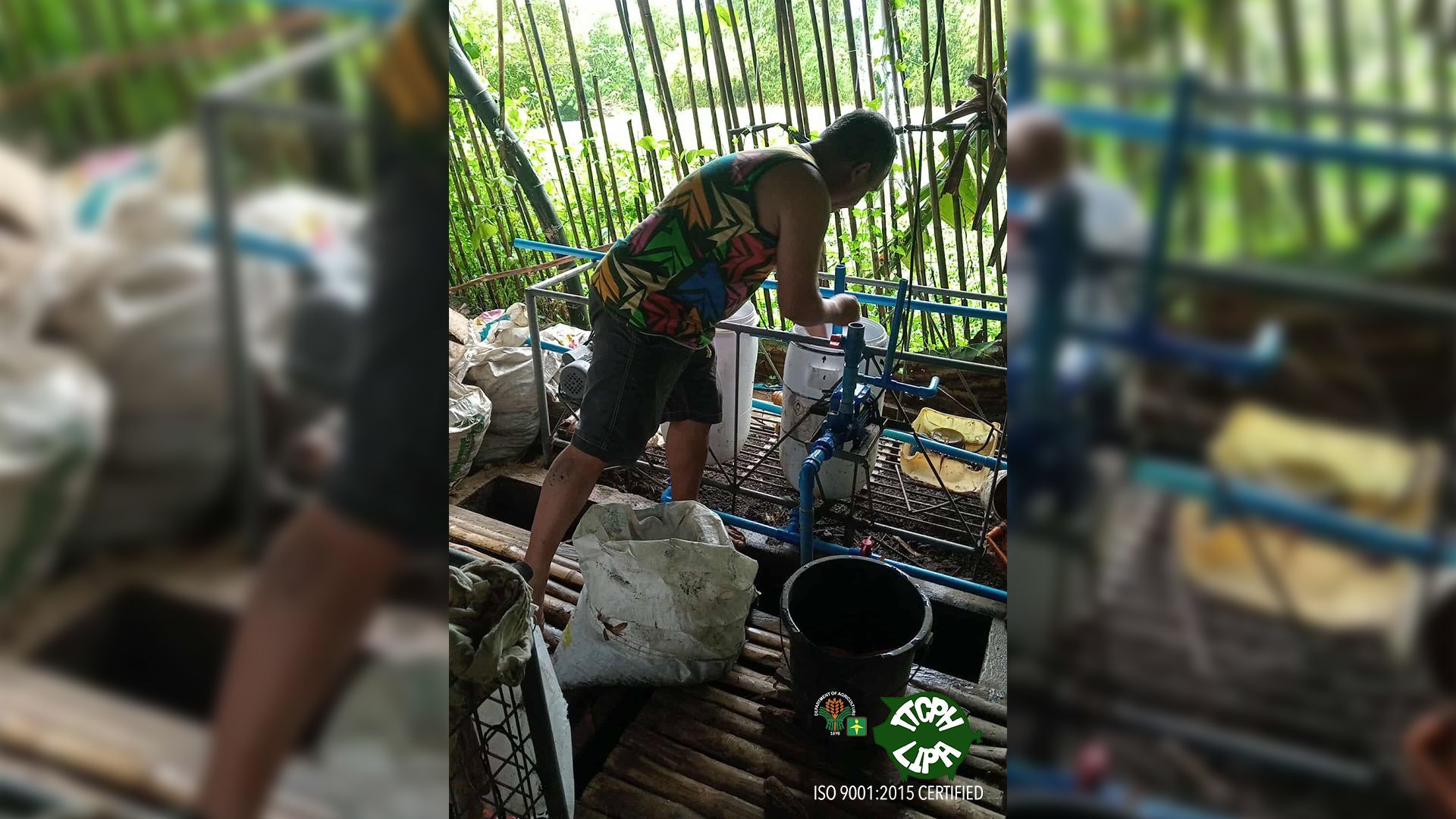
Pig farming, like any kind of livestock production, comes with environmental protection concerns. Pig waste causes severe contamination in water, air, and soil. When left untreated, it leaves heavy metals and antibiotic-resistant bacteria in the ecosystem, posing health and environmental challenges. Mr. Robin D. Magahin is the owner of TIN’S Garden and Swine Farm, a TESDA School in Brgy. Canturay, Sipalay City, Negros Occidental. Robin, together with his family in Sipalay, is an advocate of education and agriculture. Established in 2023, the farm served as an avenue to support the work immersion program of K-12 schools with agricultural strands. Aware of the impact of improper waste management practices in swine, the International Training Center on Pig Husbandry holds a specific training to help pig farming communities manage an eco-friendly pig production. “Hindi pala nasasayang yung mga ginastos niyo sa amin, kasi pa aircon, pakain, pa-socials” , narrates Robin, as he recalls his participation in the In Cycles: Waste Management and Utilization for Smallhold Farmers' in 2025. Decided to venture into swine, they began acquiring piglets to use as breeders. “We started sa biik kasi wala kaming pambili ng gilt, so imagine Php 40,000.00, sampu na yun na piglets compared sa isang gilt” , he shared. Today, he maintains a 15-sow-level, farrow-to-weaner pig farm, and plans to expand the business in the coming years. Aside from his passion for farming and livestock production, Robin is proud to use his expertise to set up a wastewater treatment system at TIN’S Farm. Using locally available materials, Robin successfully installed an improvised wastewater recycling system. A concrete-type storage tank showcases three filtration chambers, such as 1) plastic vegetable/fruit containers, which function as a strainer, 2) a suction pump with 2 filter tubes, the first with 3 layers of filtration using gravel, coconut husk, and sand, while the second filtration is made of commercially available foam. After completing the 3-chamber filtration, wastewater enters a 6-hour blower to allow solid particles to settle at the bottom. The filtered wastewater is then combined with Lactic acid bacteria serum (LABS) that serves as an effective microorganisms-activated solution (EMAS). To ensure proper dilution, 40 mL of LABS and 40 mL of molasses are added to every 1 L of water. This best practice helped improve Robin’s herd health management, lower mortality rates, and minor health problems within the last two years. Through this waste management technology, many microbial residues are converted into organic fertilizer, thereby minimizing the environmental impact of disposing manure and urine. According to Robin, approximately 4 drums of wastewater is to be flushed out in a 15-sow-level pig farm (farrow to weaner operation), averaging 800 L of water per day. Based on his calculations, 700 L of the recycled wastewater is used to water the plants and crops at TIN’S Garden and Swine Farm. “Bago yung training, nasa isip ko lang lahat ng ito. Sa ITCPH ko nabuo ang setup kung paano kasi may mga Engineer doon, experts, may practicum, may field”, he stressed. Robin’s curiosity, matched with his skills, experience, and technical know-how in aquaculture and pig husbandry, definitely helped him take the chance to build an improvised, simplified version of a wastewater recycling system. The recycling technology in swine farming converts highly concentrated liquid manure into reusable water and valuable by-products. This circular approach significantly mitigates the impacts of disposing of untreated wastewater, thereby reducing environmental pollution and enabling communities to live in safer, healthier places. “…and yun naman talaga ang concern ng ITCPH, conservation and rehabilitation of resources” , Robin emphasized. As easy as it looks, Robin had several trial-and-error experiences to arrive at something he is proud of at the farm. Today, aside from facilitating regular visits at TIN’S Farm, Robin now receives a number of invitations to share his innovation on various platforms, and serves as a role model in achieving higher yield and productivity by starting with the end in mind. #ITCPHway #LearningByDoing
By ITCPH • June 24, 2026
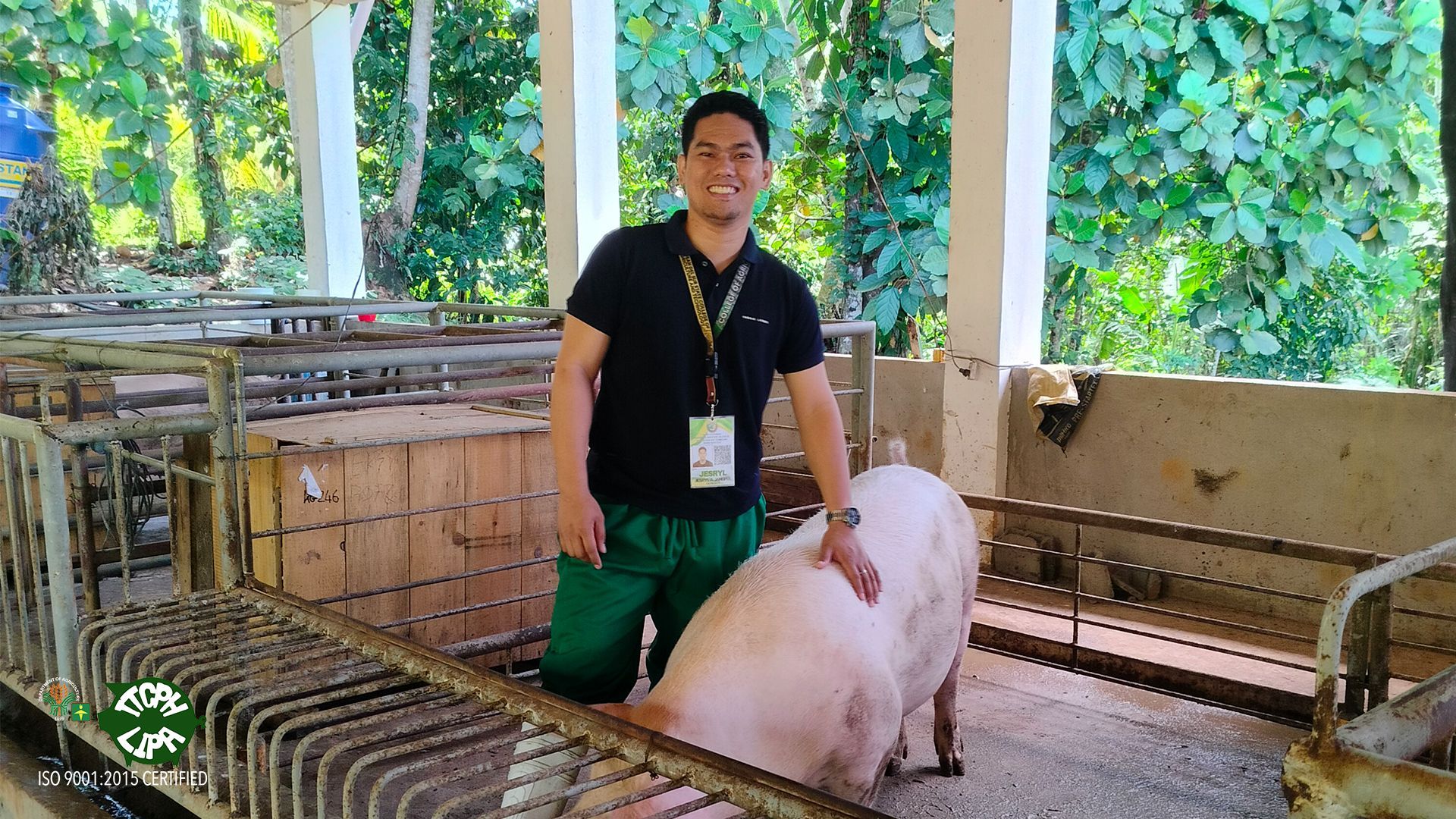
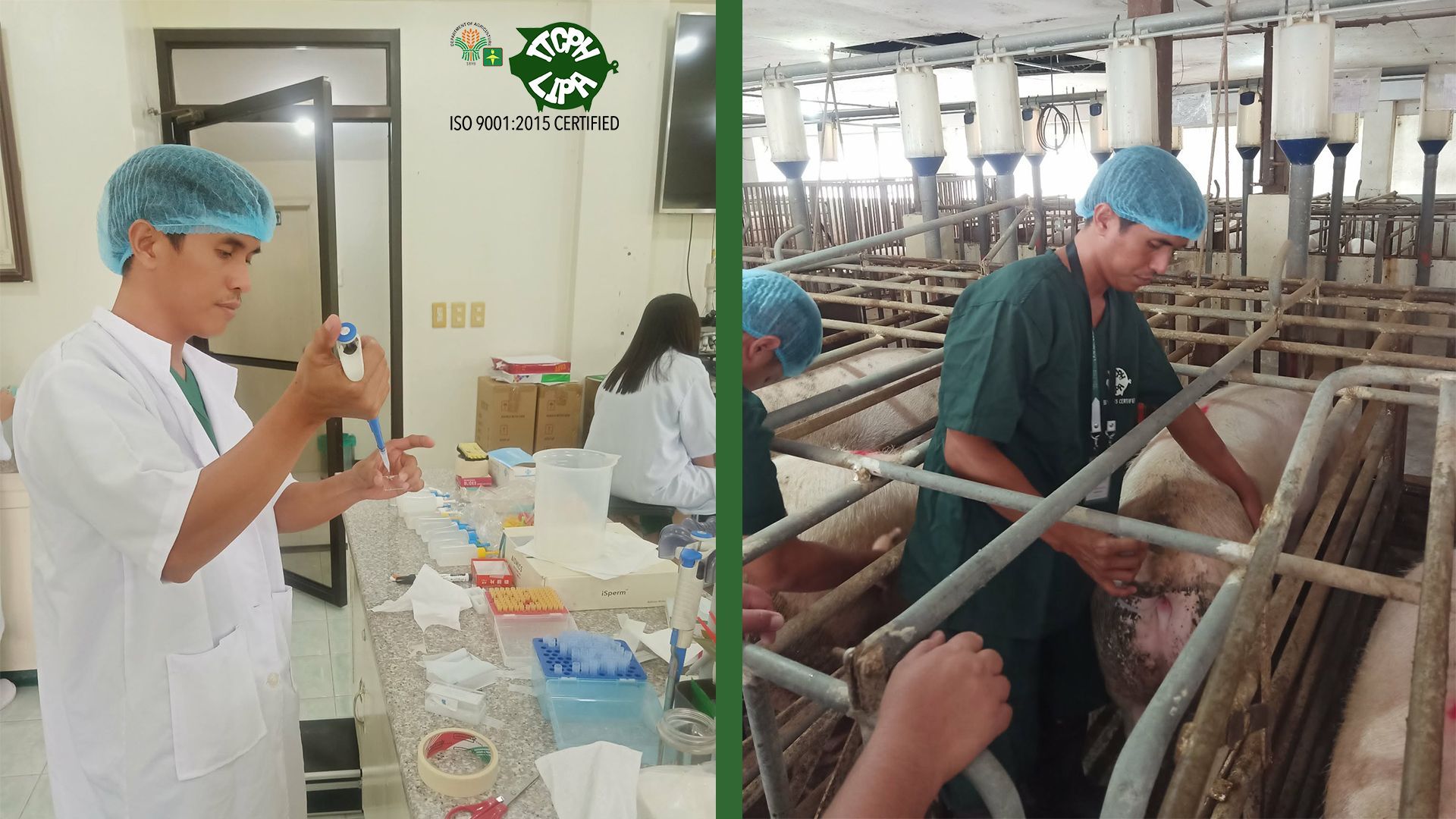
“Hindi ako magiging expert sa pig production kung hindi dahil sa ITCPH.” Mr. Jesryl A. Janopol is a 30-year-old Instructor at the Agusan Del Sur State University (ADSSU). In 2019, he took a leap of faith, registered for his first ITCPH training entitled National Trainer’s Course on Pig Husbandry and shouldered all expenses himself. It was a bold move, but one that would shape his career. Because of his ITCPH training, specifically the National Trainers Course on Pig Husbandry (2019), National Trainers Course on Animal Waste Management and Utilization (2019), and the National Trainers Course on Swine Artificial Insemination (2020), Jesryl was assigned as the Swine- In-Charge and Coordinator of the Animal Science Program at ADSSU. “They expect that I have the capabilities already in swine production, and of course, I claimed it”. His expertise was put to the test in 2024. At the height of the ASF outbreak, the university’s livestock was severely affected. Reviving the university’s farm was one of the biggest challenges he faced. Despite all the challenges, he continued to pursue the farm’s operations. Through perseverance and scientific management, the farm recovered. At present, it maintains 7 sows and 1 boar, with plans to expand by adding more boars and, eventually, selling semen to the community. Jesryl works closely with an animal caretaker. Recognizing the need for continuous learning, he generously shares his knowledge and promotes science-based swine production practices. Strict biosecurity measures, including perimeter fencing, mandatory showers before farm entry, footbaths, changing clothes, and restricting visitors, are fully implemented under his supervision. His learnings extend beyond production. Academic instruction, extension services, research, and farm management are all enriched by the skills and insights gained from ATI-ITCPH. According to him, the documents, materials, modules, and experiences from ITCPH trainings make it easier to convince farmers to adopt their practices. “I can persuade them because I experienced it myself” , he said. As the Swine-In-Charge, Jesryl envisions a future focused on profitability and sustainability. His long-term goals include establishing an AI Commercial Center, a meat shop, and a processing facility, creating a value chain that will benefit both the university and the local community. From a young instructor who once “threw his hat into the ring”, Mr. Janopol has grown into a leader in swine production, living proof that passion, training, and perseverance can turn a dream into a success story. #ITCPHway #LearningByDoing
By ITCPH • June 17, 2026
“Napakalaking tulong ng mga natutunan ko sa ITCPH. Bilang isang guro sa SUC, na-share ko ang aking mga natutunan na later on ay sila naman ang may role sa agrikultura”. Central Bicol State University of Agriculture (CBSUA) is one of the institutions with a strong presence of faculty, participants, and alumni trained under ATI-ITCPH. It continues to serve as an agricultural research university aspiring to global standards. Among its notable ITCPH alumni is Mr. Joseph Nieva, a dedicated educator and agricultural professional whose journey reflects the true impact of quality training and lifelong learning. Mr. Nieva vividly recalls that during his college years, his former professors consistently emphasized one thing: “If you want to become an expert in pig production, you must attend ITCPH trainings”. From that moment, being trained at the ITCPH became one of his professional goals. It was achieved in 2015, when he successfully completed the National Trainers Course on Pig Husbandry. Looking back, he shares with joy. "Napakasaya at napakaganda ng training na ’yon. Ang dami kong nakilala na galing pa sa iba’t ibang lugar ng Pilipinas." For Mr. Nieva, being trained at an institution with “international” in its name meant exposure to global learning experiences and standards. Equipped with skills and confidence, he was entrusted with several key roles, including Animal Module Manager (CBSUA Animal Project), Coordinator for the AgroStudies Internship Program in Israel, Director for Institutional Linkages for Special Projects, and Project Lead for the Small Ruminant Project. These designations were testaments to his competence and commitment to service. One of the aspects Mr. Nieva values most about ITCPH is its “learning by doing” approach. He noted that, unlike other training centers that he had attended, ITCPH ensured that theoretical discussions were always complemented by hands-on activities. He also praised accommodating staff, well-maintained facilities, and the Center’s suitability as a benchmark site for swine production. As part of his re-entry plan, Mr. Nieva aimed to rehabilitate the university’s swine project, which includes seminars and training on pig husbandry. While budget constraints initially limited full implementation, CBSUA eventually allocated a budget to repopulate swine production, and Mr. Nieva was assigned to oversee its implementation. He acknowledged that biosecurity had previously been insufficient, but thanks to ITCPH, the university is now prepared and confident in resuming swine operations safely. Mr. Nieva holds on to his lifelong dream of seeing his students succeed in their chosen careers, especially in agriculture, and of witnessing them serve the Philippine government and the nation. #ITCPHway #LearningByDoing
By ITCPH • May 28, 2026
“Sa ITCPH, kapag hindi ka nakinig o hindi mo initindi ang sinasabi ng mga teachers, kawalan mo iyon as participant.” “Practical” is the word Dr. Marily V. Figuracion uses to describe her training at the ITCPH. For her, the knowledge and skills she gained contributed not only to personal growth but also to professional growth as she shares them with farmers and fellow practitioners. Dr. Marily serves as Veterinarian II of the Municipality of Cabanglasan, Bukidnon. She also served as the Livestock Focal Person for ATI-RTC X. Her expertise significantly contributed to the ATI-NLP INSPIRE Project (Swine Multiplier Farm), which was awarded to the municipality. The local chief executive had the confidence to push through with the project, knowing that she was equipped in pig production. “Kahit beterinaryo na ako, gusto ko pang mas madagdagan ang kaalaman ko, lalo’t higit sa pig production.” Dr. Marily described the training as both a review and a revelation. What stood out most to her were the lessons on Economics and Stock Projection, which strengthened her understanding of pig enterprise management. "Sa ITCPH, bawal magtamad-tamadan. Laging may quiz, reporting at re-entry plan. Pero at the end of the day, mararamdaman mo ang fulfillment. The training has very high quality, kahit matagal ka nang nag-training, maalala mo pa rin ang iyong pinag-aralan" She completed five (5) trainings from the Center, namely National Trainer’s course on Pig Husbandry (2014), Training on Goat Production (2016), Training on Organic Agriculture for Livestock Technicians (2016), Refresher Course Growing Green Agritourism for Livestock and Agriculture Technicians (2016), and Pork to Fork Multiplying Business Opportunities for Inspire Beneficiaries (2025). Shortly after completing the training, Dr. Marily facilitates trainings, assists learning sites, and addresses various livestock-related concerns, with a strong focus on swine production. True to her commitment, she successfully fulfilled her re-entry plan by conducting Farmer Livestock School on Pig Production on September to November 2017, capacitating a total of 55 farmers and farming enthusiasts. Meanwhile, as part of the INSPIRE project, beneficiaries were required to undergo training before receiving piglets. Dr. Marily served as a resource person. With the assistance of her colleagues, she ensures that recipients have sufficient knowledge of pig husbandry. Looking ahead, Dr. Marily is aiming to take the Animal Feedmilling Technology Course, recognizing its importance to Cabanglasan, where corn is produced year-round. Learning how to formulate local feeds, she believes, will significantly help pig farmers reduce costs and improve productivity. Dr. Marily V. Figuracion’s professional journey is a testament to the fact that true expertise is built on a foundation of continuous learning and disciplined application. She will forever apply these #LearningByDoing principles as a veterinarian, trainer, and advocate for sustainable livestock development, especially in pig production. #ITCPHway #LearningByDoing
By ITCPH • May 22, 2026
A millennial from Negros Oriental scales up his journey in public service and small business through commitment to work and love for family. Joey is a 28-year-old government employee whose passion for agriculture and degree in agriculture led him to pursue pig husbandry. Since 2020, Joey and his parents have begun venturing into pig farming, raising animals from their smallhold of two to three female pigs. Through a scientific approach to raising pigs, Joey was able to break the tradition and belief-based culture of pig farming. In the remote areas of the Philippines, there are also beliefs that pertain to animal production. One in particular says there are only certain months when sows are most receptive. Another is during a solar eclipse, pregnant sows must be thrown off with flowers to avoid abortion. These ideologies are turned into a science-based thinking through the help of agricultural extension workers. Hence, they are deemed very important in thriving farming communities. As an agricultural technician, Joey Derick I. Luzon holds a general understanding of agriculture, livestock, and poultry to provide the utmost service to farmers of Amlan. Most of his training experiences are relevant to livestock production. Receiving a referral from the Agricultural Training Institute, Central Visayas, he participated in the flagship program of the ITCPH – the National Trainer’s Course on Pig Husbandry in 2024. This is a 10-week training that gives extension workers the confidence, know-how, technical skills, and communication skills in conducting extension work in the field. Today, Joey enjoys his duties as a certified meat inspector and farm supervisor, and envisions holding a permanent position. In charge of the Municipal Agricultural Integrated Demo Farm of Amlan, where a 30-sow-level multiplier farm is located, Joey takes on big responsibilities in managing the overall operations of the facility. From production planning to managing waste on the farm, Joey ensures that the multiplier farm's operations start accordingly. Stocks (35 gilts and 1 teaser boar), 4 and 5 months old, were sourced from a trusted breeder farm. Joey has also begun implementing proper record-keeping while waiting for the animals to be bred. "Yung pinaka-na-appreciate ko talaga sa course is yung farm administration kasi hindi naman yun naituturo sa school" , he narrated. Farm administration is generally about the use of records and making valuable analysis from it to improve the herd performance over a certain period of time. Sow cards were prepared in advance while waiting for the breeders to be served with artificial insemination. As a farm supervisor, he also trained the animal keeper to maintain the pig farm. “Zero know-how kasi yung kasama ko sa farm, kaya kailangan talaga na maturuan sa pagbababuyan” , he shared. Joey also highlighted his adoption of dry cleaning, in which manure is collected, dried for a week, and is converted into inorganic fertilizer. Fertilizers are then used for vegetable production at the integrated demo farm. While overseeing the establishment of the multiplier farm until it became operational, Joey helped improve biosecurity practices across the 4 communities in Amlan. Two-day lectures on swine management and farm biosecurity were held for three consecutive years. Currently, 130 smallholder pig producers have been trained, and about 80% have been observed to change and improve their pig farm practices, resulting in increased productivity, lower mortality rates, and improved utilization of waste. Meanwhile, their small piggery has also shown major progress. Joey, together with his parents, maintains a 10-sow-level weaner operation. He maintains a work-life balance, helping communities and his parents’ livelihood prosper through proper management and guidance. At a young age, Joey is determined to uphold his sworn duty as a public servant and is dedicated to continuously shaping the lives of his fellow farmers. #ITCPHway #LearningByDoing
By ITCPH • May 13, 2026
“It has always been our family’s passion, so we pursued livestock production. My husband and I are both agriculturists by profession”. Ms. Mercy Andres Biala was an OFW for 14 years. When they had saved enough, they started with cattle and pig production in Isabela. In spite being an agriculture major graduate, she admitted that she had little knowledge about raising pigs. In 2020, their 16-sow level farm was affected by ASF. Because raising pigs had become too risky and costly to restart, they decided to pursue a different livelihood. “Sinubukan muna naming mag-rabbit” , Ms. Mercy said. But her passion for pig raising remains. As part of the Recovery and Repopulation Program/Livelihood Assistance for ASF-affected swine raisers 2022, the Provincial Government of Isabela provided them with two gilts to help them start again. However, it was still a challenging period because the pig market was unstable. To reduce costs, they decided to slaughter the pigs and sell the meat within our neighborhood. “Hindi kami sumukong mag-asawa, ipinagpatuloy na ulit naming ang pag-aalaga ng baboy” , she added. A turning point came in 2023 when ATI-RTC 2 granted the INSPIRE to CAVASFA. At first, some members doubted it because it was a large-scale project. Fortunately, in the same year, pork prices began to improve. Because of her strong enthusiasm for pig raising, Ms. Mercy eagerly attended pig husbandry training. She wanted to change her perspective and move away from traditional practices. “Narinig ko na ang mga training sa ITCPH. Akala ko napakamahal ng training at po-problemahin ko pa ang tulugan at pagkain ko roon.” Ms. Mercy proudly shared that she completed two trainings at the ITCPH, Course on Pig Husbandry in 2024 and Pork to Fork: Multiplying Business Opportunities for INSPIRE Beneficiaries in 2025. She applied all the lessons she learned, including proper biosecurity measures and the segregation of dry and wet manure, which she now uses as soil media. Nothing goes to waste, not even the pig manure. “Ang sabi nga ng evaluator, parang wala namang baboy dito, Unlike before, kahit malayo ka pa lang, alam mo ng may baboy” , Ms. Mercy shared. One of her key advocacies is supporting fellow livestock raisers by giving them a stronger voice to advocate for fair farm-gate prices. Ensuring fair pricing not only protects farmers’ income but also helps stabilize the local pork supply chain and promotes sustainable pig farming. "Malaki ang naitulong ng naging training ko sa ITCPH. What I started as basic knowledge has now become more systematic. The training transformed not just my skills but also my mindset- I now raise pigs with better planning, proper management and greater confidence. Hindi lang pala pakain at paligo ang dapat malaman, kaya thankful ako kase natutunan ko ang sustainable and scientific way of raising pigs." Ms. Mercy Andres Biala’s story is a powerful testament to the fact that true farming success requires more than just hard work—it demands a willingness to evolve. By pairing her enduring passion with modern, scientific practices learned at ITCPH, she didn't just rebuild her farm from the ashes of ASF; she elevated it into a sustainable, community-centered enterprise. Today, her journey from traditional methods to systematic management serves as an inspiring blueprint for local livestock raisers. It proves that when farmers embrace continuous learning and advocate for one another, they can turn severe adversity into a cleaner, smarter, and highly resilient future for agriculture. #ITCPHway #LearningByDoing
Show More