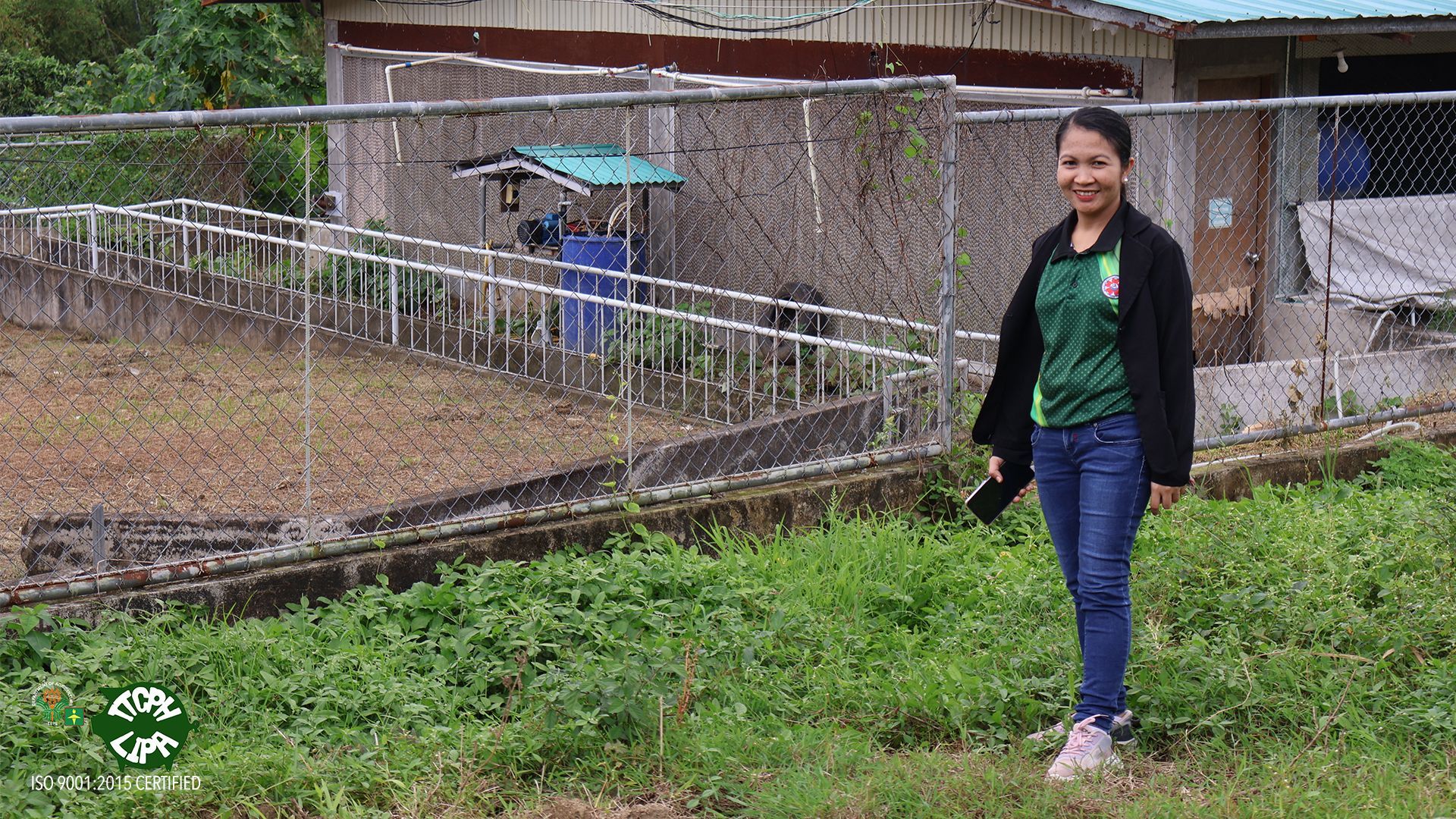
Riza “Makamasa” Unfolding the Glamour of Community Development
“Noong pandemic, na-inlove ako sa cooperative kasi ang ganda-ganda, very transparent, autonomous, at tinatangkilik ang agriculture” – Riza.
Rizalina P. Fortes, a wife and mother of three, began her humble career in pig farming through a series of unintentional incidents. Capable of starting a pig business, Riza and his husband set out to build a 300-finisher capacity farm in Taysan, Batangas, as a possible source of additional income.
Ironic as it may seem, the farm did not materialize. “Never namin nalagyan ng baboy yung building”, Riza adds. Several piglets are sometimes placed as payment for the services rendered by his Attorneyhusband. “Minsan bayad piglets from Bulacan, pero hindi nagsu-survive, nagkakandamatay", she narrates.
Hopeful to turn the pig business into a successful venture, Riza, also shared a good amount of investment with a local feed supplier, even getting a spot as a member of the audit committee. From this, she took off to a higher stage. During the pandemic, she had the luxury of time to attend seminars. This was an eye-opener for Riza, and a turning point at the same time.
“Doon ko nalaman na andami palang government grants for pig raisers”, she shares.
Eyeing the 5-million INSPIRE Program Project, Riza sought help in Barangay Piña, Taysan, Batangas. However, farmer organizations in the area were no longer functional. “Mahirap kasi talaga doon sa amin, walang pang sustain ang farmers, sa feeds, even sa pambayad sa artificial insemination”, says Riza.
“Bakit hindi na lang ikaw ang gumawa ng kooperatiba, kasi wala pa nito sa atin?”, the Barangay Chairman responds.
Determined to be a recipient of the INSPIRE Program Project – a government-led initiative to rebuild the swine industry from thedevastating effects of African swine fever by supporting LGUs, cooperatives, and pig producers with biosecure facilities, modern technology, training, and capital for hog repopulation, Riza founded the Piña Taysan Agriculture Cooperative (PITAC) in 2022.
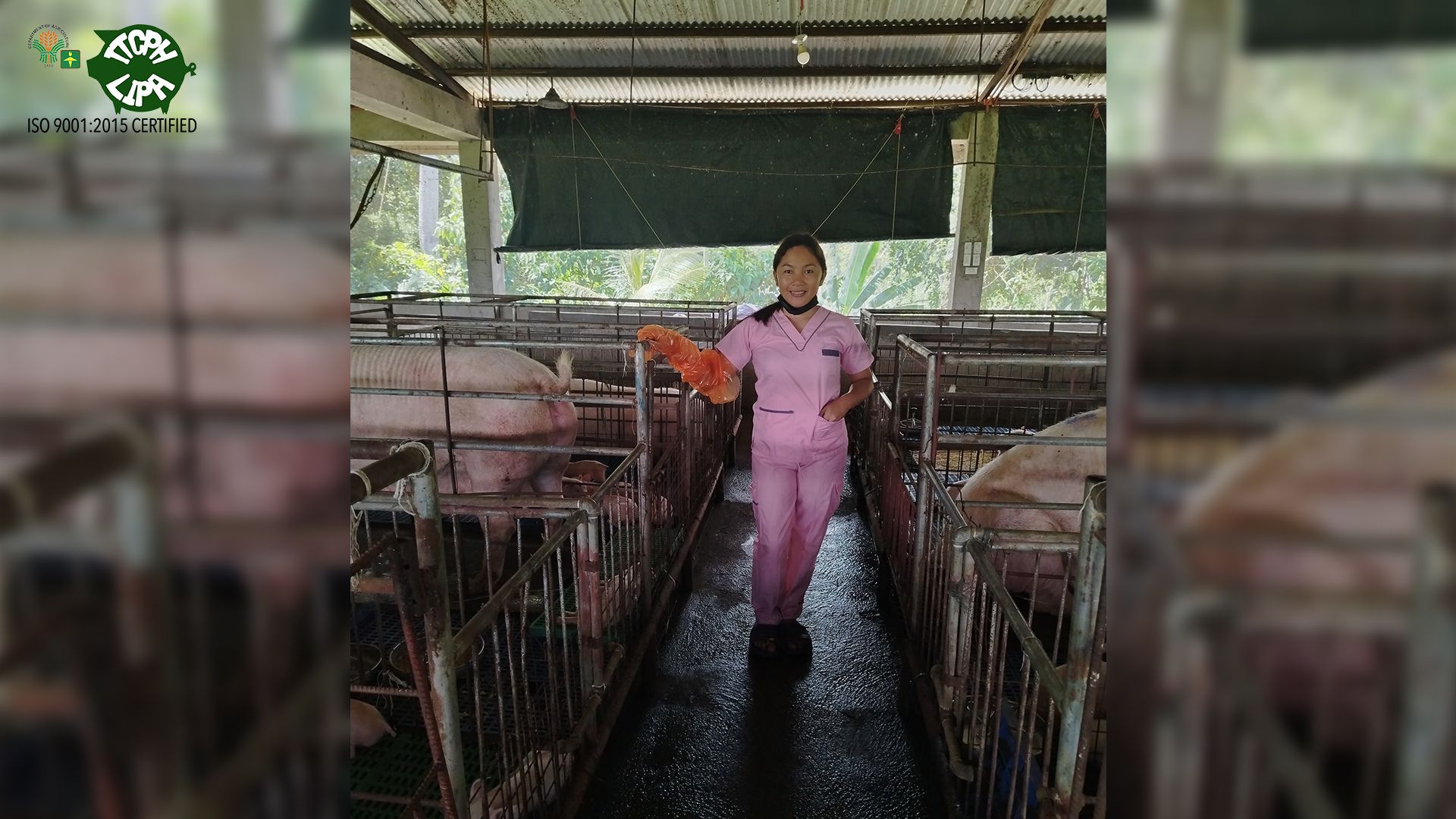
While working to strengthen the cooperative’s core values and functions, she also participated in training at the ATI-ITCPH. Two years later, PITAC finally received a 10-million project (300-finisher building) under the Department of Agriculture – Regional Field Office CALABARZON.
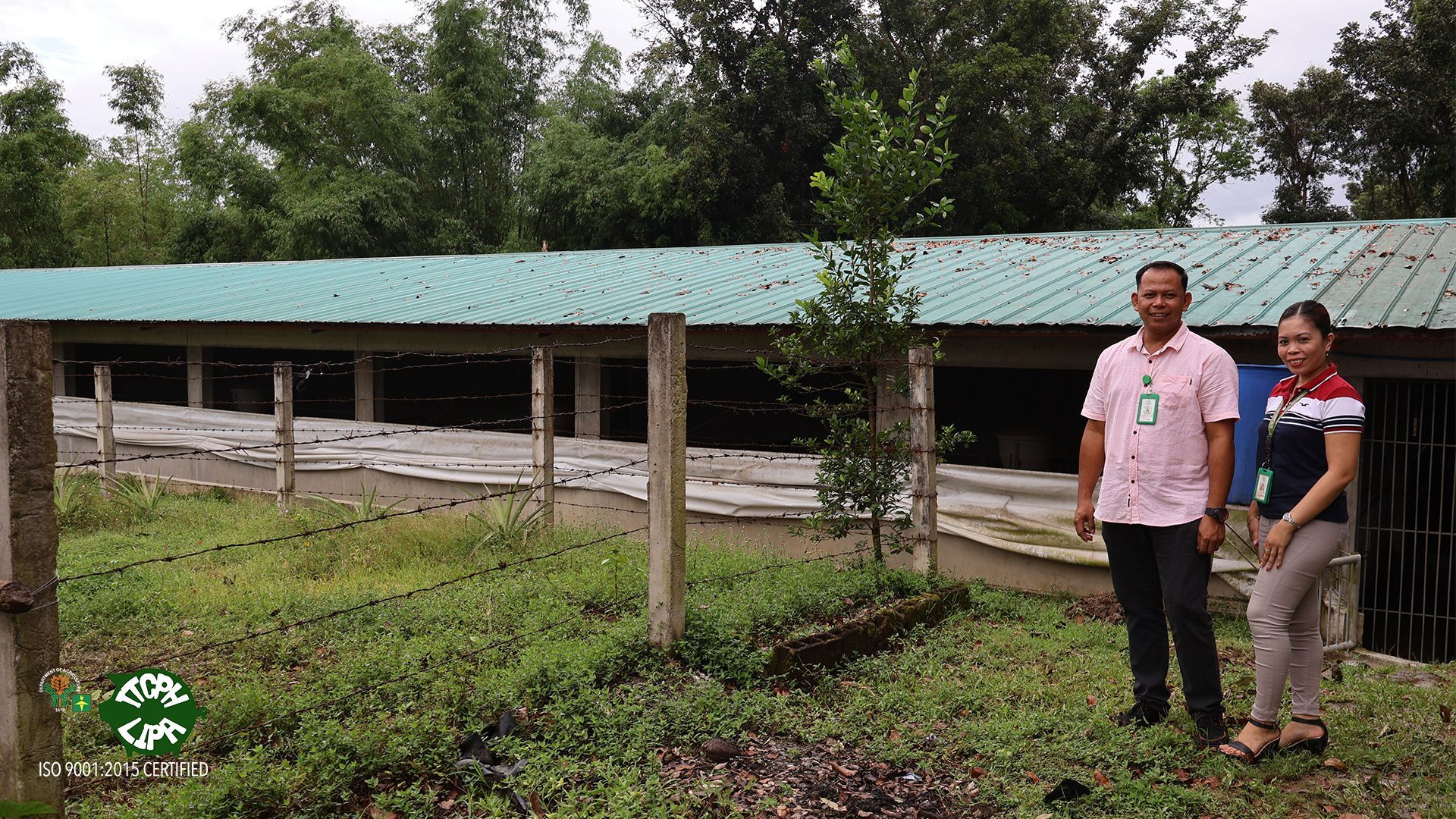
During the construction of the building, Riza was at the ITCPH attending her 5th and 6th courses, the National Trainer’s Course on Pig Husbandry, and the National Trainer’s Course on Animal Waste Management and Utilization. “Ito yung time na kino-construct yung INSPIRE sa amin, very timely kasi nababantayan ko according to standard”, Riza happily shares.
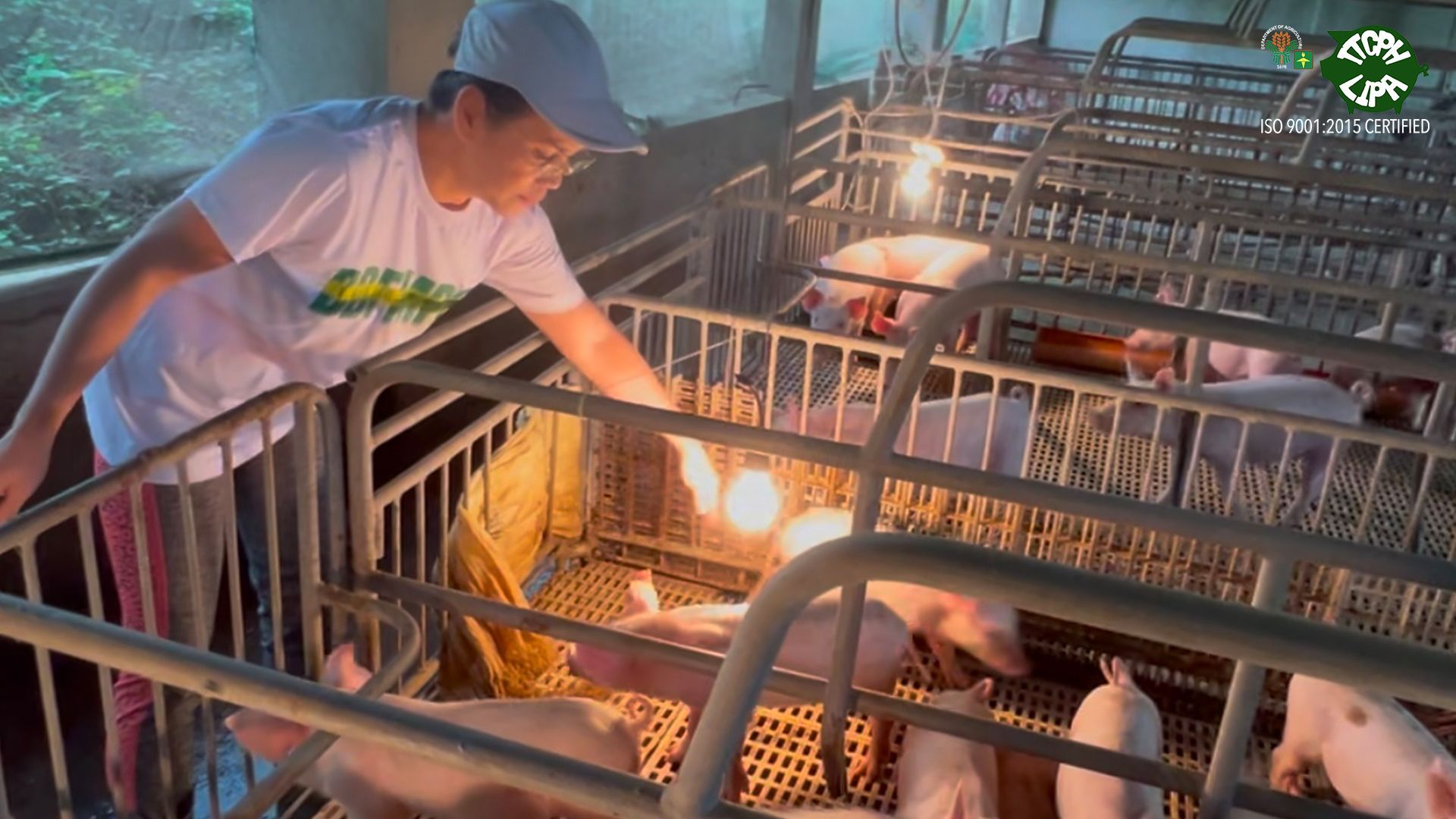
Riza serves as the General Manager of PITAC. From merely 18 pig farmers, the cooperative grew to 121 members, with half as pig producers and the other half as investors. Their (personal) empty pig pens are also transformed into a functional space for PITAC members. Currently, it houses 10 sows, 40 piglets, and 150 finishers. “Yung hindi namin nagagamit dati na mga kulungan, doon naglalagay ng baboy yung ibang members ng PITAC”, Riza adds.
Knowing the challenges faced by fellow pig raisers, Riza, ensures that the smallholders earn a profitable business. In partnership with a local feed supplier, GM Riza safeguards the feed capital through a loan once the hog market has concluded. “Unang goal ng PITAC is to supply feeds as pautang sa pig farmers”, she explains.
Now that feeds have been secured, new challenges have cropped up, such as the market for finishers. As a solution, PITAC buys the marketable hogs. To avoid further losses, haulers were welcomed to join the cooperative as members.
Pigs classified as slow growers are processed into tapa, tocino, and longganisa. Through value-adding, patronage, and refund schemes, members enjoy benefits.
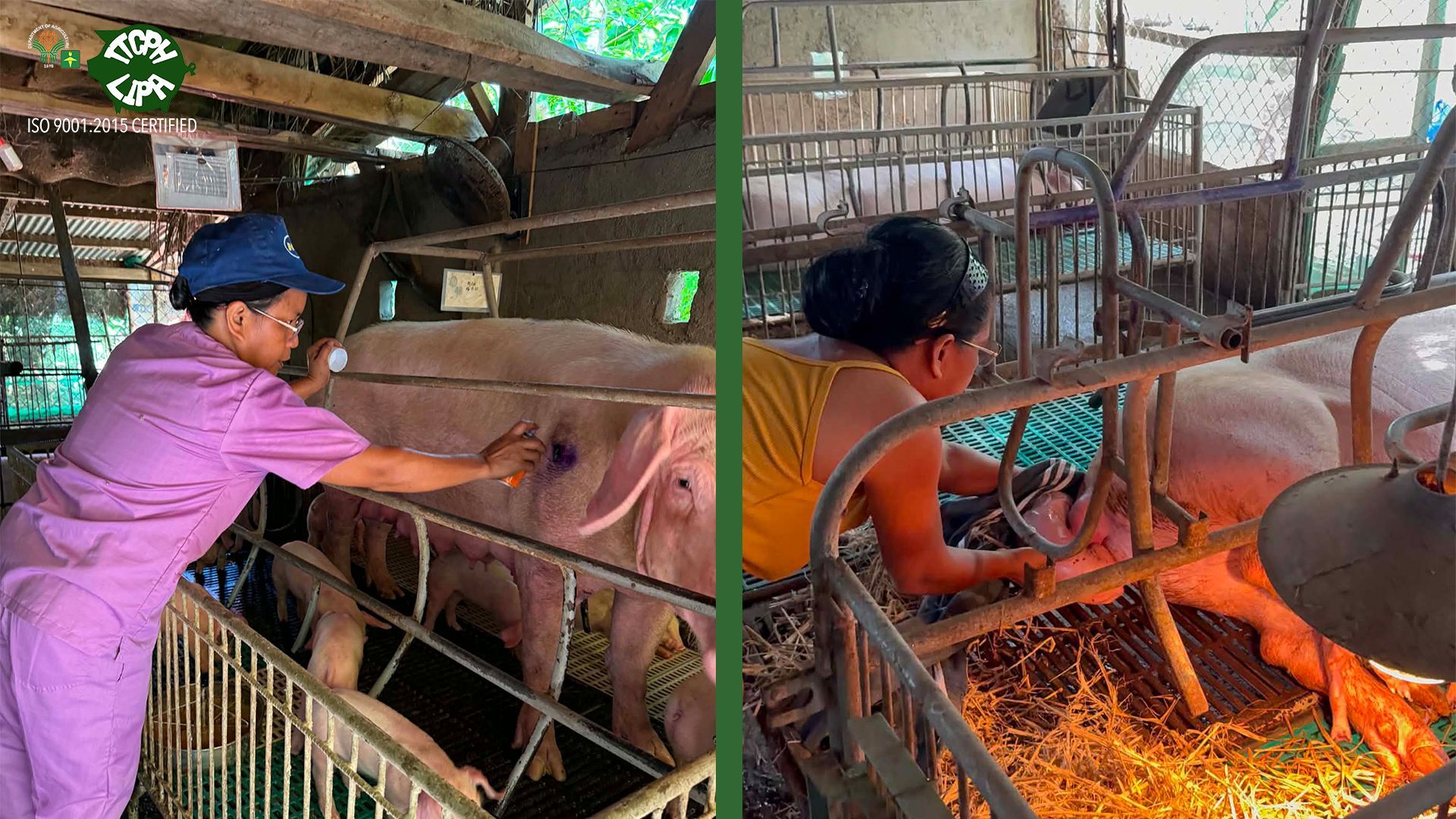
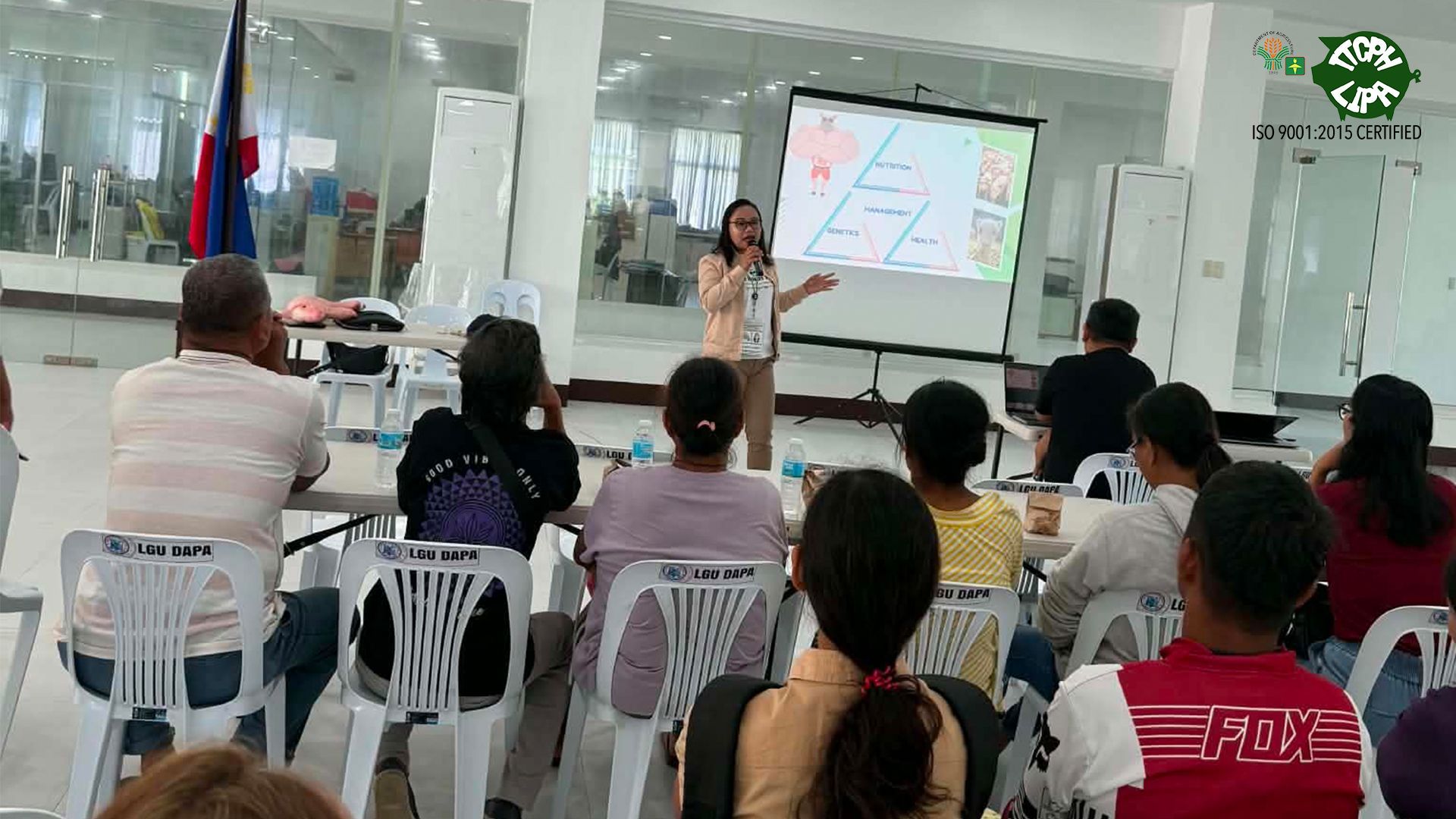
From zero-knowledge in pig farming, Riza embraced the beauty of swine. Knowledge gained from the training is being disseminated through a Pre-membership education seminar (PMES) for interested individuals to join the cooperative. Members also practice ethnoveterinary medicine, using locally available plants to prevent disease and some as topical ointments for open wounds.
Working with the community has had a significant impact not only on Riza but also on the smallholder pig raisers in Taysan. “Pag may tulungan, lumalago ang negosyo”, she stressed.
Today, Riza enjoys the company of fellow pig raisers while seeing the progress she has made in their lives.
#ITCPHway #LearningByDoing