By ITCPH
•
July 21, 2026
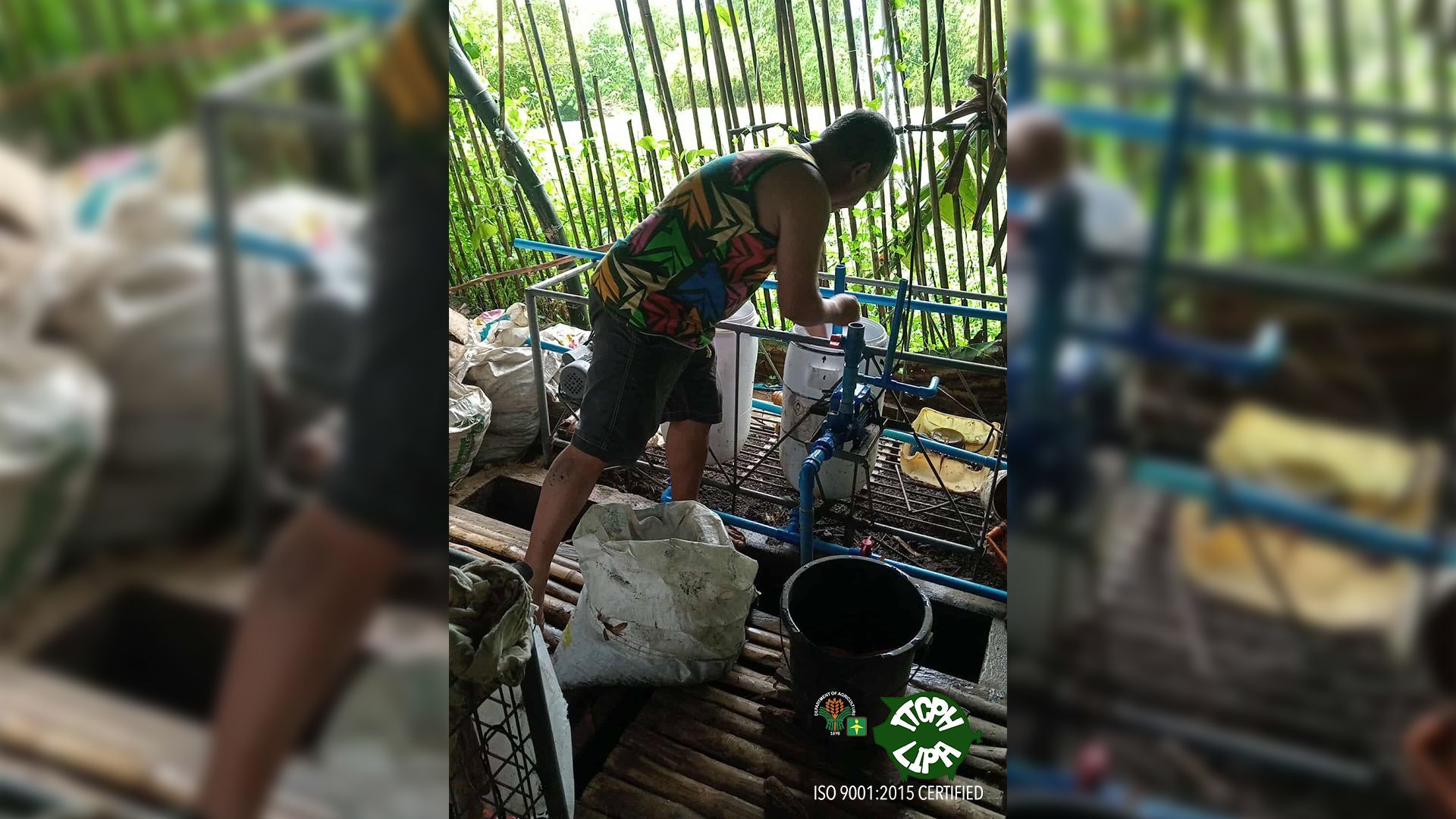
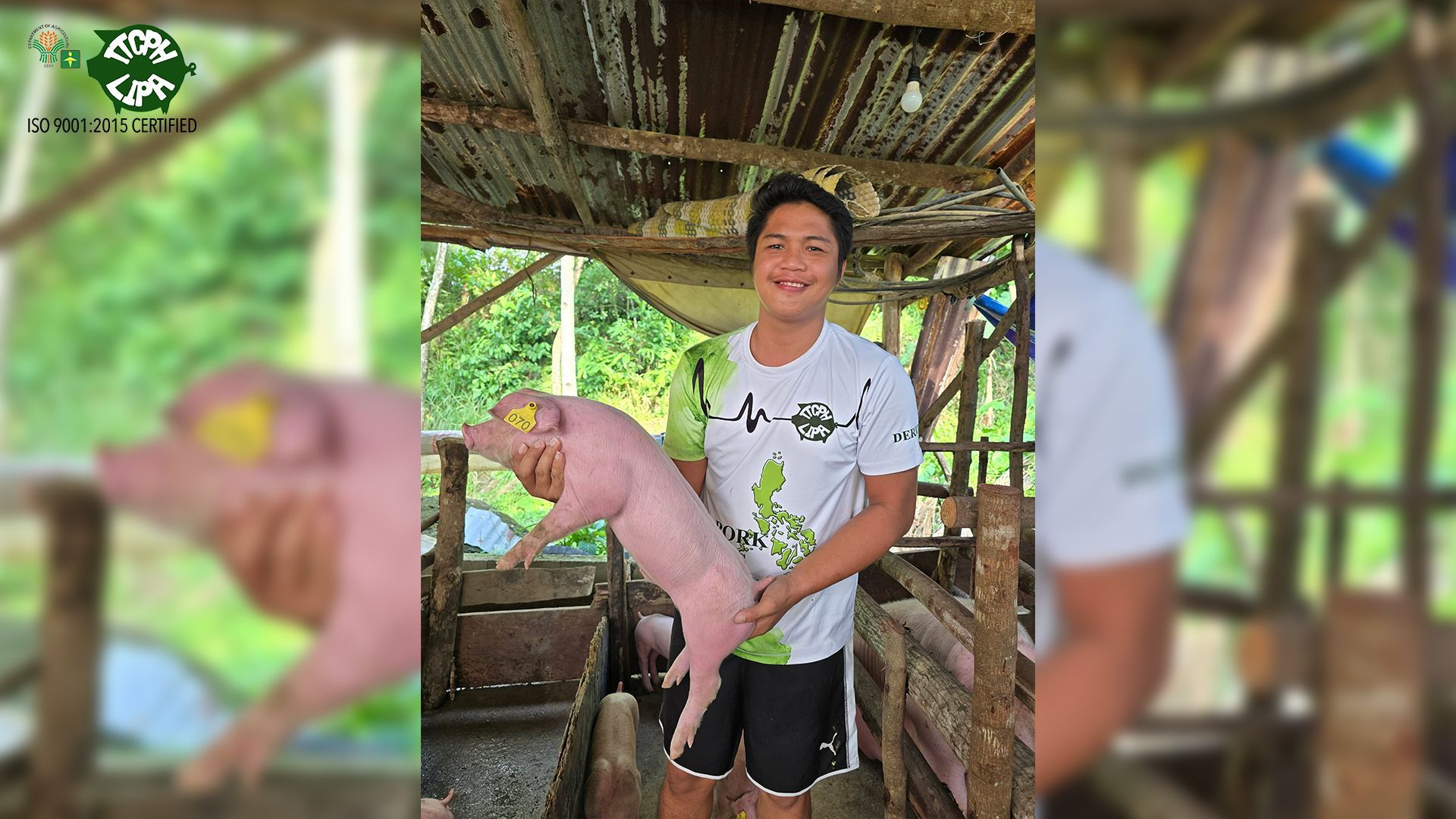
Pig farming, like any kind of livestock production, comes with environmental protection concerns. Pig waste causes severe contamination in water, air, and soil. When left untreated, it leaves heavy metals and antibiotic-resistant bacteria in the ecosystem, posing health and environmental challenges. Mr. Robin D. Magahin is the owner of TIN’S Garden and Swine Farm, a TESDA School in Brgy. Canturay, Sipalay City, Negros Occidental. Robin, together with his family in Sipalay, is an advocate of education and agriculture. Established in 2023, the farm served as an avenue to support the work immersion program of K-12 schools with agricultural strands. Aware of the impact of improper waste management practices in swine, the International Training Center on Pig Husbandry holds a specific training to help pig farming communities manage an eco-friendly pig production. “Hindi pala nasasayang yung mga ginastos niyo sa amin, kasi pa aircon, pakain, pa-socials” , narrates Robin, as he recalls his participation in the In Cycles: Waste Management and Utilization for Smallhold Farmers' in 2025. Decided to venture into swine, they began acquiring piglets to use as breeders. “We started sa biik kasi wala kaming pambili ng gilt, so imagine Php 40,000.00, sampu na yun na piglets compared sa isang gilt” , he shared. Today, he maintains a 15-sow-level, farrow-to-weaner pig farm, and plans to expand the business in the coming years. Aside from his passion for farming and livestock production, Robin is proud to use his expertise to set up a wastewater treatment system at TIN’S Farm. Using locally available materials, Robin successfully installed an improvised wastewater recycling system. A concrete-type storage tank showcases three filtration chambers, such as 1) plastic vegetable/fruit containers, which function as a strainer, 2) a suction pump with 2 filter tubes, the first with 3 layers of filtration using gravel, coconut husk, and sand, while the second filtration is made of commercially available foam. After completing the 3-chamber filtration, wastewater enters a 6-hour blower to allow solid particles to settle at the bottom. The filtered wastewater is then combined with Lactic acid bacteria serum (LABS) that serves as an effective microorganisms-activated solution (EMAS). To ensure proper dilution, 40 mL of LABS and 40 mL of molasses are added to every 1 L of water. This best practice helped improve Robin’s herd health management, lower mortality rates, and minor health problems within the last two years. Through this waste management technology, many microbial residues are converted into organic fertilizer, thereby minimizing the environmental impact of disposing manure and urine. According to Robin, approximately 4 drums of wastewater is to be flushed out in a 15-sow-level pig farm (farrow to weaner operation), averaging 800 L of water per day. Based on his calculations, 700 L of the recycled wastewater is used to water the plants and crops at TIN’S Garden and Swine Farm. “Bago yung training, nasa isip ko lang lahat ng ito. Sa ITCPH ko nabuo ang setup kung paano kasi may mga Engineer doon, experts, may practicum, may field”, he stressed. Robin’s curiosity, matched with his skills, experience, and technical know-how in aquaculture and pig husbandry, definitely helped him take the chance to build an improvised, simplified version of a wastewater recycling system. The recycling technology in swine farming converts highly concentrated liquid manure into reusable water and valuable by-products. This circular approach significantly mitigates the impacts of disposing of untreated wastewater, thereby reducing environmental pollution and enabling communities to live in safer, healthier places. “…and yun naman talaga ang concern ng ITCPH, conservation and rehabilitation of resources” , Robin emphasized. As easy as it looks, Robin had several trial-and-error experiences to arrive at something he is proud of at the farm. Today, aside from facilitating regular visits at TIN’S Farm, Robin now receives a number of invitations to share his innovation on various platforms, and serves as a role model in achieving higher yield and productivity by starting with the end in mind. #ITCPHway #LearningByDoing