From Nature’s Wild to Feeding Trough: How Local Champions are Cutting Feed Costs in Tiaong, Quezon
Rising feed prices present one of the most pressing financial hurdles for local livestock producers, yet direct community-level innovation is offering a practical path forward. In Tiaong, Quezon, local agricultural leaders are transforming regional farming practices by decentralizing feed production, replacing costly commercial feeds with nutrient-dense, locally sourced alternatives through hands-on technical training.
The Power of Partnership: The Story of Mr. Oliver Gonzales
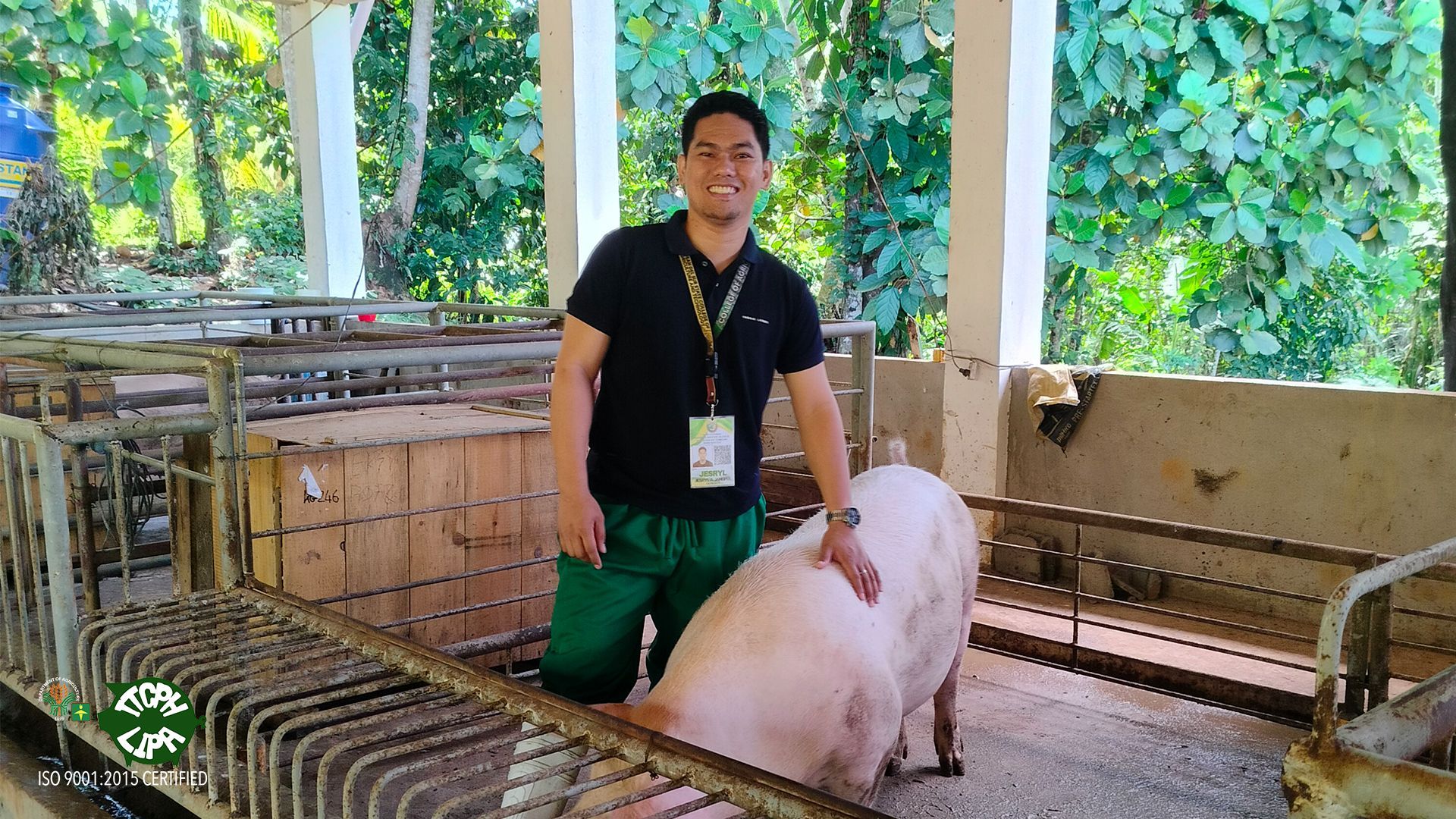
For Mr. Oliver Gonzales, President of the Behia Citrus Growers and High Value Crops Association in Behia, Tiaong, Quezon, overcoming the steep expense of commercial swine feed required taking action directly on the ground.
After completing the Training of Trainers on Animal Feed Milling Technology for Small-hold Farmers in 2024, Mr. Gonzales transformed from an organizational administrator into an active change agent and innovator for his community. Observing the financial strain on local producers, he noted, “Mahal po ang cost ng commercial na pakain (sa baboy). Noong natutunan po namin ang iba’t ibang concoction at formulation ng pakain, sa tingin ko ay makakatulong ito sa pag-aalaga ng mga baboy.”
Partnering closely with municipal extension workers, he focused his efforts on field implementation. “Ang Re-Entry plan ko po ay katulong ko si Sir Christian Arellano,” Mr. Gonzales explained. “Ang ginawa po namin ay si Sir ang nakatutok sa munisipyo at ako naman sa field. Sa training na ginawa namin, madali naming nagampanan dahil sa aming pakikipagtulungan.”
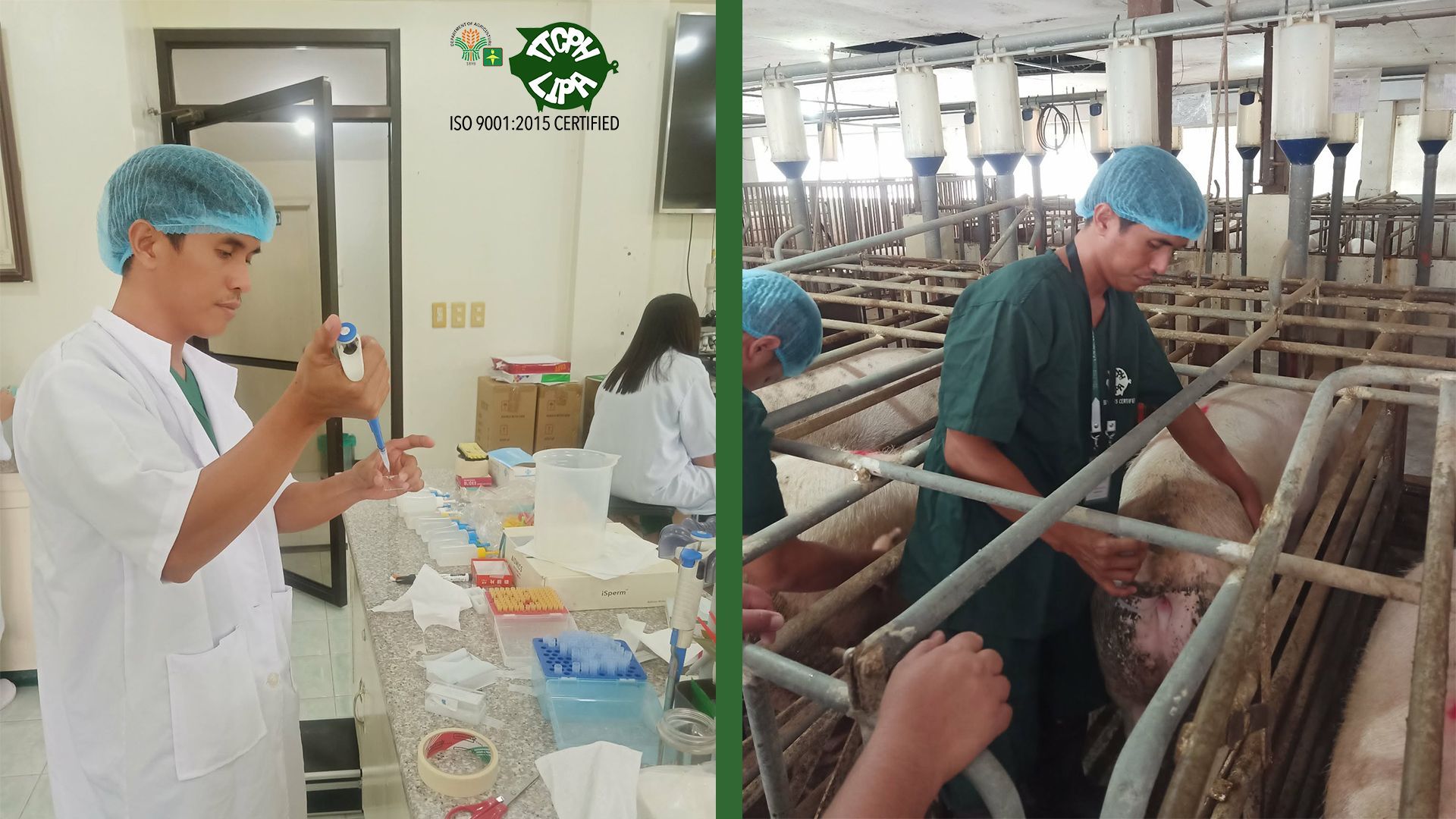
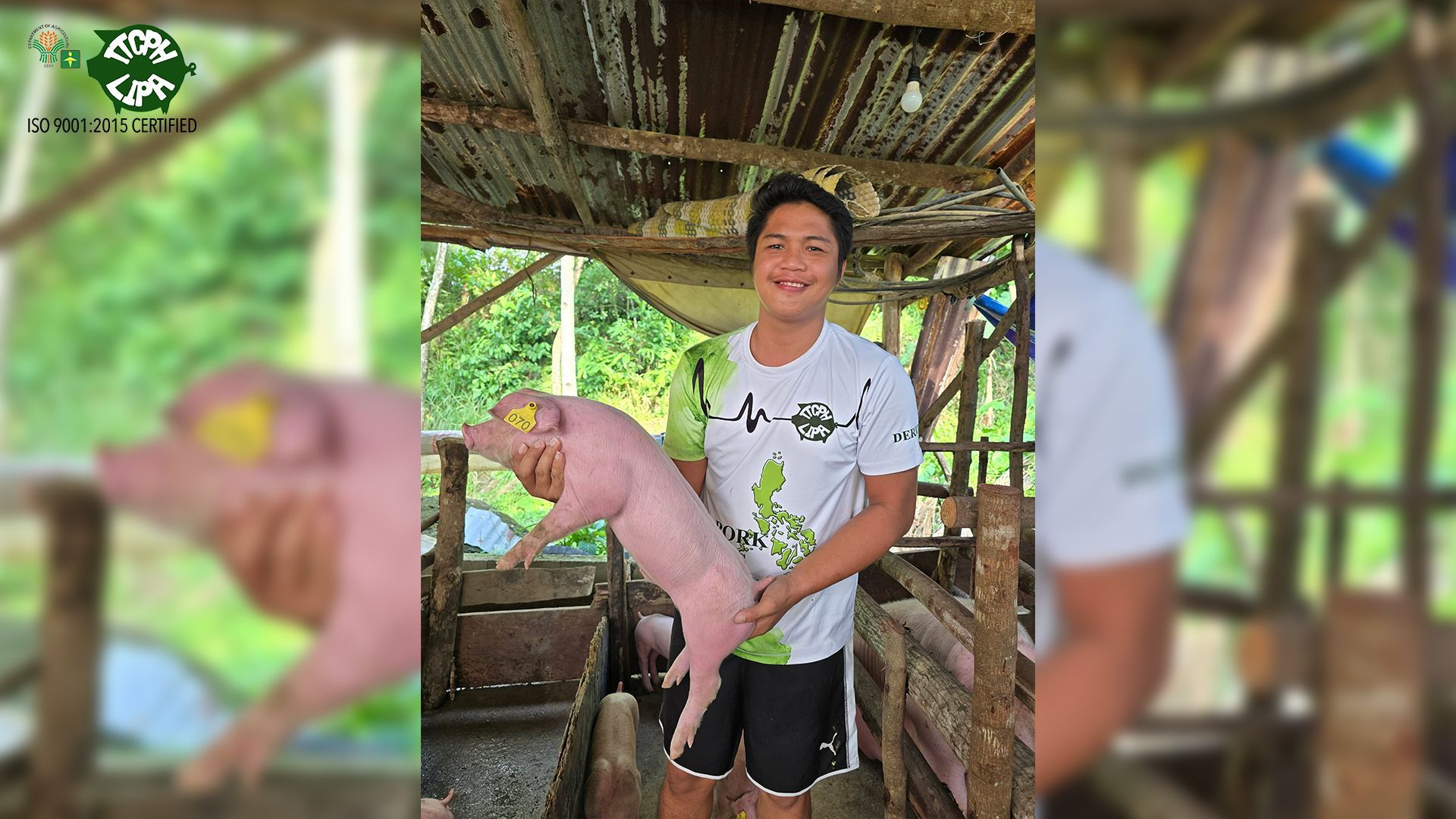
By introducing the International Training Center on Pig Husbandry’s (ITCPH) “Learning By Doing” approach, he guided association members in using processing equipment to grind and mix their feeds locally, with members even cultivating raw ingredients like madre de agua directly on their farms. This strategy completely bypassed commercial feed markups and boosted take-home profits.
Reflecting on the experience, Mr. Gonzales shared, "Marami po kayong matututunan. Talagang inaral nila ang itinuturo nila. Maliban sa busog kayo sa kaalaman ay busog kayo sa mga pagkain. Ang mahalagang naitulong po sa akin ay nadagdagan ang aking kaalaman sa mga modern technology, pati na rin ang pakikisalamuha sa iba’t ibang tao na nakasama sa training na nagmula pa sa ibang parte ng Pilipinas."
Bridge to Technical Expertise: The Role of Agricultural Extension
Complementing this field leadership is Christian Manalo Arellano, an Agricultural Technologist at the Municipal Agriculture Office of Tiaong, Quezon. Holding a Bachelor’s degree in Agricultural Technology, Mr. Arellano serves as an extension worker dedicated to crops and livestock. Recognizing that input costs were crippling local farmers, he expanded his expertise by following up his 2024 Training of Trainers on Animal Feedmilling Technology course with the Off-Center Training on Feed Formulation in 2025.
“Ang presyo ng ating mga inputs, lalo na ang feeds, ay hindi sa pababa, kaya po tayo nag-attend ng training ay para ma-gain ang knowledge na itinuturo ni ITCPH upang ma-lessen ang gastos ng farmers pagdating sa feeds,” Mr. Arellano emphasized.
Serving as a technical bridge between livestock research and farm-level practice, Agricultural Extension Workers (AEWs) like him play a critical role in lowering production costs while optimizing animal growth. As he put it, “Ang role namin ay mag-disseminate ng new technology and information pagdating sa farming. Natutunan ko po sa ITCPH ang proper feed formulation na gagawin para makapag-produce po ng mas mura at de-kalidad na feeds.”
To translate technical knowledge into community-wide action, Mr. Arellano structured a targeted Re-Entry Plan to educate individual farmers and cooperatives on raw material selection, nutrient balancing across growth stages, and practical formulation tools like the Pearson Square method. “Ang layunin ng aking Re-Entry plan is to conduct the training at ituro sa mga farmer ang tamang paggawa ng feeds upang mabawasan ang kanilang gastos, sa pamamagitan ng paggamit ng available raw materials para ma-convert nila sa feeds,” he stated.
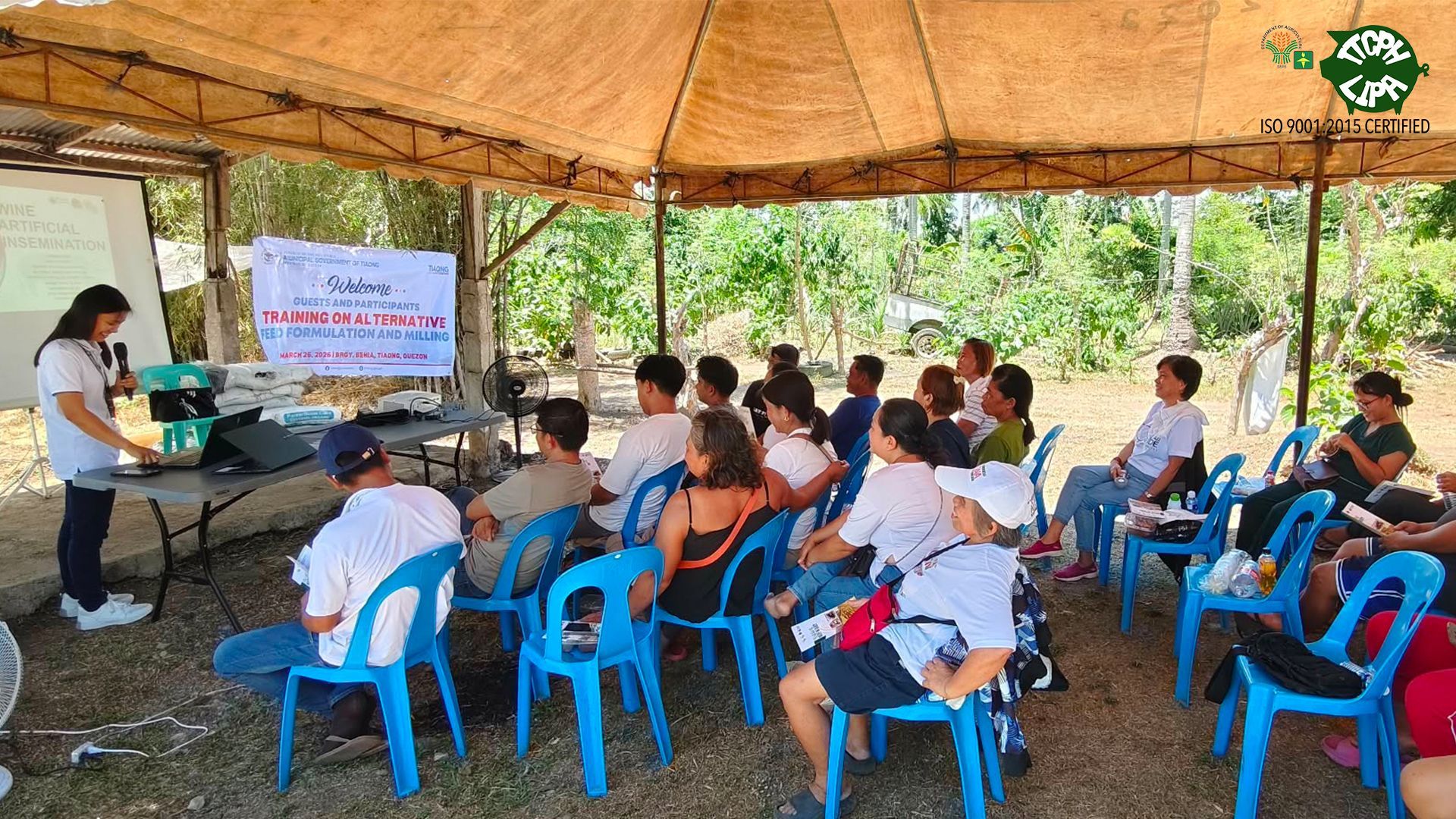
This culminated in a milestone workshop on March 26, 2026, where thirty backyard hog raisers gathered to receive hands-on instruction and sample ingredients to formulate high-quality feeds independently.
“Kami po ay nag-conduct ng training noong March 26, 2026. Thirty (30) backyard hog raisers ang dumalo, na kung saan ay nakatanggap sila ng sample ingredients para makapag-formulate ng feeds. Ito ay para mabawasan ang kanilang gastos sa mga commercial na feeds,” Mr. Arellano recounted.
During the session, he guided raisers on replacing commercial inputs with locally available agricultural by-products such as madre de agua, rice bran, and copra meal. Additionally, the training highlighted essential feed safety standards, including proper storage to prevent mold and aflatoxin contamination, ensuring home-mixed rations remain safe and nutritious.
Through their unified partnership, Mr. Arellano and Mr. Gonzales have demonstrated how combining technical extension support with local leadership can build self-reliant community enterprises and bolster long-term economic resilience for smallholder farmers.
#ITCPHway #LearningByDoing